Early Years Themes
Theme-based unit study lesson plans for age 2-6 years.
- Overview
- Theme: Inside My Body
- Overview
- Inside My Body Theme Introduction
- Bones
- X-Rays
- Muscles and Tendons
- Brain
- Spinal Column and Neurons
- Skin and Nerves
- Digestion
- Emotions
- Lungs
- Heart
- Blood Composition
- Circulation and Blood Types
- DNA and Cells
- Kidneys and Bladder
- Theme: Nativity Fast
- Overview
- Preparing for Christ
- Christmas Pudding
- Christmas Cards
- The Little Theotokos
- The Theotokos' Life in the Temple
- The Tree of the Knowledge of Good and Evil
- The Burning Bush
- Moses' Staff
- Christmas Tree
- Theme: North American Animals
- Overview
- North American Animals Theme Introduction
- Beavers
- Bison
- Caribou
- Chipmunks
- Coyotes
- Deer, Part 1
- Deer, Part 2
- Groundhogs
- Hedgehogs
- Moose
- Opossums
- Raccoons
- Skunks
- Squirrels, Part 1
- Squirrels, Part 2
- Turkeys
- Wolves
- North American Animals Theme Recap
- Theme: Saint Bridget of Kildare
- Theme: Saints David and Piran
- Theme: Saint Lucy
- Theme: Saint Nicholas the Wonder-Worker
- Theme: Saint Patrick, Enlightener of Ireland
- Theme: Saint Phanourios
- Theme: The Twelve Days of Christmas
Overview
List of themes.
Alphabetical List of Themes
Acts of the Apostles (X Sessions)
Ancient Babylon and Persia [aka Three Holy Youths] (X Sessions)
Ancient Egypt (X Sessions)
Ancient Greece (X Sessions)
Ancient Mesopotamia [aka Righteous Forefather Abraham] (X Sessions)
Ancient Rome [aka Saints Peter and Paul] (X Sessions)
Annunciation (X Sessions)
Apples [aka Saint Euphrosynos] (X Sessions)
Ascension (X Sessions)
Australian Animals (X Sessions)
Baking (X Sessions)
Beach (X Sessions)
Bears (X Sessions)
Bees (X Sessions)
Birds (X Sessions)
Boats (X Sessions)
Bugs (X Sessions)
Butterflies (X Sessions)
Cats (X Sessions)
China [aka Saint John Maximovich] (X Sessions)
Clean Week [aka Fasting] (X Sessions)
Colour-Mixing (X Sessions)
Creation (X Sessions)
Dormition (X Sessions)
Entrance of the Theotokos (X Sessions)
Ethiopia [aka Saint Matthew the Evangelist] (X Sessions)
Family Slava [aka Saints David and Piran] (3 Sessions)
Fasting [aka Clean Week] (X Sessions)
Farms (X Sessions)
Fire (X Sessions)
Flowers and Seeds (X Sessions)
Fruits and Vegetables (X Sessions)
Holy Cross (X Sessions)
Holy Nativity (X Sessions)
Holy Week (X Sessions)
Immigration (X Sessions)
Inside My Body (16 Sessions, 1 outing)
Jungle and Safari (X Sessions)
Meatfare Week (X Sessions)
Nativity Fast (9 Sessions)
North American Animals (19 Sessions, 1 outing)
Palamas Sunday (X Sessions)
Pascha (X Sessions)
Pond Life (X Sessions)
Righteous Forefather Abraham [aka Ancient Mesopotamia] (X Sessions)
Saint Anna, Grandmother of Christ (X Sessions)
Saint Andrew the First-Called (X Sessions)
Saint Barbara the Great Martyr (X Sessions)
Saint Basil the Great (X Sessions)
Saint Bridget of Kildare (1 Session)
Saint Columba of Iona (X Sessions)
Saint Euphrosynos [aka Apples] (X Sessions)
Saint John the Baptist (X Sessions)
Saint John Maximovich [aka China] (X Sessions)
Saint Lucy (2 Sessions)
Saint Lydia of Philippi (X Sessions)
Saint Matthew the Evangelist [aka Ethiopia] (X Sessions)
Saint Mary Magdalene (X Sessions)
Saint Nicholas of Myra (2 Sessions)
Saint Olga of Alaska (X Sessions)
Saint Patrick, Enlightener of Ireland (3 Sessions)
Saint Phanourios (1 Session)
Saints David and Piran [aka Family Slava] (3 Sessions)
Saints Peter and Paul [aka Ancient Rome] (X Sessions)
Seasons (X Sessions)
Shapes (X Sessions)
Solar System (X Sessions)
Spiders (X Sessions)
Stars and Angels (X Sessions)
Sunday of the Publican and the Pharisee (X Sessions)
Thanksgiving (X Sessions)
The Ojibwe (X Sessions)
The Presentation of Christ (X Sessions)
The Three Holy Hierarchs (X Sessions)
Three Holy Youths [aka Ancient Babylon and Persia] (X Sessions)
Theophany [aka the Water Cycle] (X Sessions)
Transfiguration (X Sessions)
Trees and Leaves (X Sessions)
Under the Sea (X Sessions)
Vehicles (X Sessions)
Water Cycle [aka Theophany] (X Sessions)
Zacchaeus (X Sessions)
Themes by Date
The Calendar Cycle
January
1st - Saint Basil the Great
6th - Theophany
30th - Three Holy Hierarchs
February
1st - Saint Bridget of Kildare
2nd - The Presentation of Christ
16th - Saint Nicholas of Japan
March
1st - Saint David of Wales
4th - Saint Piran of Cornwall
17th - Saint Patrick, Enlightener of Ireland
23rd - Saint Lydia of Philippi
25th - Annunciation
31st - Joseph the Patriarch [Ancient Egypt]
April
May
June
29th - Saints Peter and Paul
July
2nd - Saint John Maximovich
9th - Saint Columba of Iona
10th-19th - Bears
22nd - Saint Mary Magdalene
26th - Saint Anna
August
6th - Transfiguration
15th - Dormition
27th - Saint Phanourios
29th - John the Baptist
September
1st - Creation
11th - Saint Euphrosynos
14th - Holy Cross
October
November
8th - Stars and Angels
10th - Saint Olga of Alaska
15th - Nativity Fast
16th - Saint Matthew
21st - Entrance of the Theotokos
30th - Saint Andrew
Last Thursday - Thanksgiving
December
4th - Saint Barbara
6th - Saint Nicholas of Myra
13th - Saint Lucy
17th - Three Holy Youths
25 - Holy Nativity
The Paschal Cycle
Pre-Lent
Zacchaeus
Sunday of the Publican and the Pharisee
Meatfare Week
Baking
Lent
Fasting
Palamas Sunday
Holy Cross
Pascha
Holy Week
Pascha
Post-Pascha
Ascension
Fire
Basic Session Outline
Introduction
A brief video, rhyme, or hook to set the topic for the day.
Activity 1
A gross-motor or sensory activity to get the wiggles out.
Activity 2
A more sedate activity, usually involving letters, numbers, or fine-motor.
Lunch Snack
Ideally themed to the topic.
Activity 3
Crafting activity.
Activity 4
Any other fun optional bonus.
Theme: Inside My Body
Unit study on anatomy and organs.
Overview
For the Bookshelf


For the Toy Shelves


Outings
Inside My Body Theme Introduction
Introduction
A brief video, rhyme, or hook to set the topic for the day.
Activity 1
A gross-motor or sensory activity to get the wiggles out.
Activity 2
A more sedate activity, usually involving letters, numbers, or fine-motor.
Lunch Snack
Ideally themed to the topic.
Activity 3
Trace around the child's body on butcher paper to make a life-size model. You will add parts to it as you make them in the different sessions.

Activity 4
Any other fun optional bonus.
Bones
Introduction
Watch the four-minute video "Your Super Skeleton!"
Activity 1
Read Ezekiel 37:1-4 and sing the "The Foot Bone's Connected to..." song, with actions.
Curriculum areas: S05a, S05b, S12b, S12c, X02b, X02c
Activity 2
Print out the "bones dice game" sheet from the attachments. Take turns to use a dice and count out that many q-tips, placing them over the bone pictures on the sheet. The first person to cover all the bones wins.

Curriculum areas: M01a, M01b
Lunch Snack
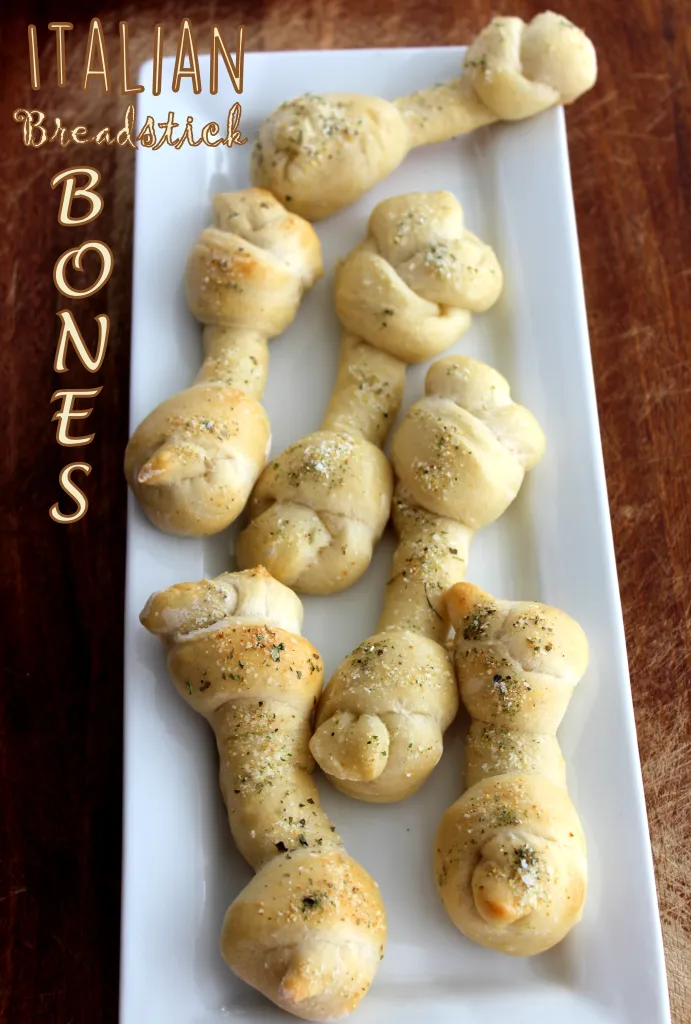
Make breadstick bones and eat them with dip. Or, make toast "soldier" bones. Sprinkle cheese on or make the toast soldiers with cheese, and talk about how bones are made of calcium and you need to eat calcium to keep them strong.
Curriculum areas: S13a, S13b, S13c
Activity 3
Use straws to give playdough people skeletons, demonstrating the need for bones.

Curriculum areas: M08b, M08c
X-Rays
Introduction
Sing "Them bones them bones" (from "bones" session) again.
Activity 1
Find the x-ray images (see attached files) around the house and assemble them into a skeleton.
Curriculum areas: S12b
Activity 2
Put chocolate sprinkles or cocoa powder on a light box ( or a clear plastic tub with a light inside it) and use it to make "x-ray" images of shapes, letters and numbers.

Curriculum areas: L08a, L11a
Lunch Snack
Make vegemite toast with thin sticks of cheese on the side, and make x-ray images with the cheese.
Curriculum areas: S13a, S13b, S13c
Activity 3
Trace around your hands and feet and rip strips of white paper to stick on to make an "x-ray". Attach these to the body outline anatomy model.

Curriculum areas: M08b, M08c
Muscles and Tendons
Introduction
Watch a four-minute video, "How Do Our Bodies Move?" You can also watch two six-minute videos, "How Your Muscles Work" and "The Muscular System".
Activity 1
Use playdough to add muscles to a skeleton model.

Curriculum areas: S12c
Activity 2
Make various motions slowly, feeling for the muscles moving: make a fist, flex your elbow, kick in slow-motion, etc.
Curriculum areas: S12c, S06a
Lunch Snack
Muscles need protein to grow. Find high-protein foods to eat, like eggs, nuts, meat, cheese, or beans.
Curriculum areas: S13c
Activity 3
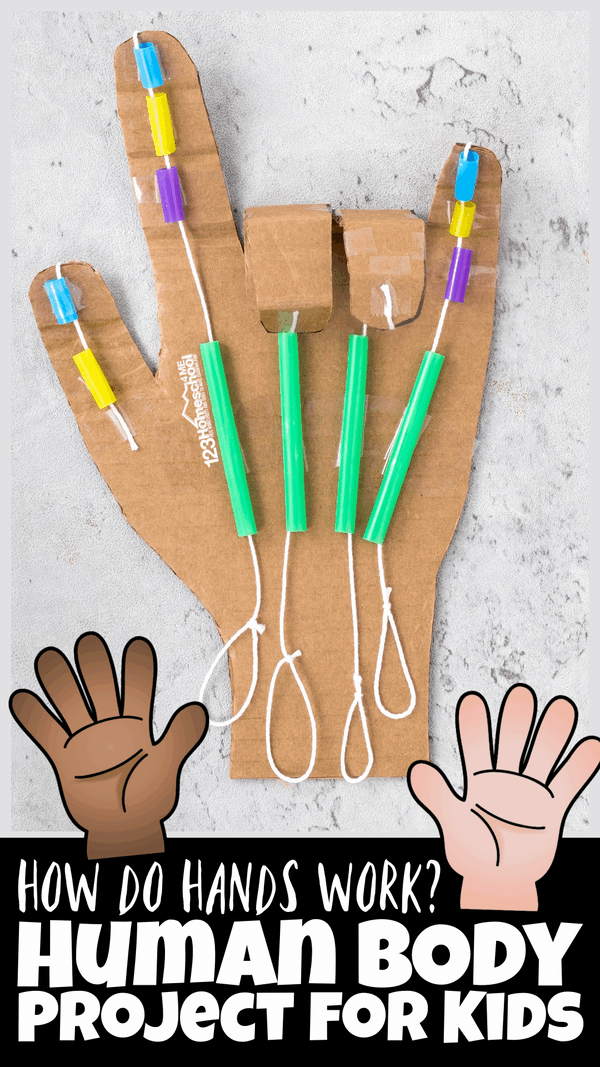
Make a hand tendons model using straws and string. Add it to the anatomy model outline.

Curriculum areas: M08d, S12c
Activity 4
Use long balloons and cardboard tubes to demonstrate how muscles work.

Curriculum areas: S12c
Brain
Introduction
Watch a four-minute video, "How Your Brain Works".
Activity 1
The brain is the boss of your body. Play "Brain [Simon] says".
Curriculum areas: S12a, S05a, S05b
Activity 2
Perform brain surgery. Make oatmeal and dye it red. Hide letters or numbers in it (child's name, the word "brain", upper or lower case match, sight words, etc) written in sharpie on pieces of an empty plastic bottle. Pick out the letters using chopsticks, tongs, or fingers.
Curriculum areas: L08a, L08b
Lunch Snack
Make and eat brain-shaped meatballs in tomato sauce. Follow it up with pomegranate for dessert.
Curriculum areas: S13b
Activity 3
Draw a brain hat - use fabric markers on a beanie or sharpie on a helmet. Add it to your anatomy model's head.

Curriculum areas: S12a
Spinal Column and Neurons
Introduction
Watch a one-minute video, "What is a Neuron?" and a five-minute video, "Annie & Dan Talk About MS".
Activity 1
Your brain lives inside your skull, but it's floating in brain juice, or cerebrospinal fluid. Put eggs inside a plastic egg shell, one by itself and one with water, and drop them from a height. Check on the eggs, and see which is damaged.

Activity 2
Make a model brain cell using playdough, or pom-poms and pipecleaners. Add the pom-poms and pipecleaners on to the anatomy model.

Lunch Snack
Eat those poor hardboiled eggs from earlier.
Activity 3
Use pasta, cheerios, and pipecleaners to make a model of the spinal cord. Add it to the anatomy model.


Skin and Nerves
Introduction
A brief video, rhyme, or hook to set the topic for the day.
Activity 1
A gross-motor or sensory activity to get the wiggles out.
Activity 2
A more sedate activity, usually involving letters, numbers, or fine-motor.
Lunch Snack
Ideally themed to the topic.
Activity 3
Crafting activity.
Activity 4
Any other fun optional bonus.
Digestion
Introduction
Watch a five-minute video, "How the Digestive System Works".
Activity 1
Learn how digestion works by squishing zip-loc baggies. Add a slice of bread and a slice of apple into each bag along with (1) nothing, (2) water, (3) vinegar, and (4) both water and vinegar. Squish each of the bags to try to break up the bread and apple into pulpy "poop".


Activity 2
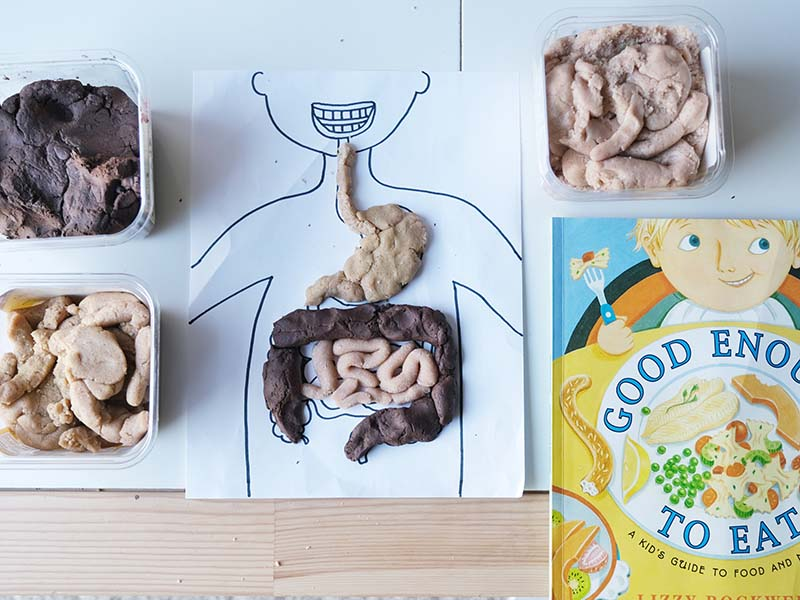
Make a playdough digestive system.
Lunch Snack
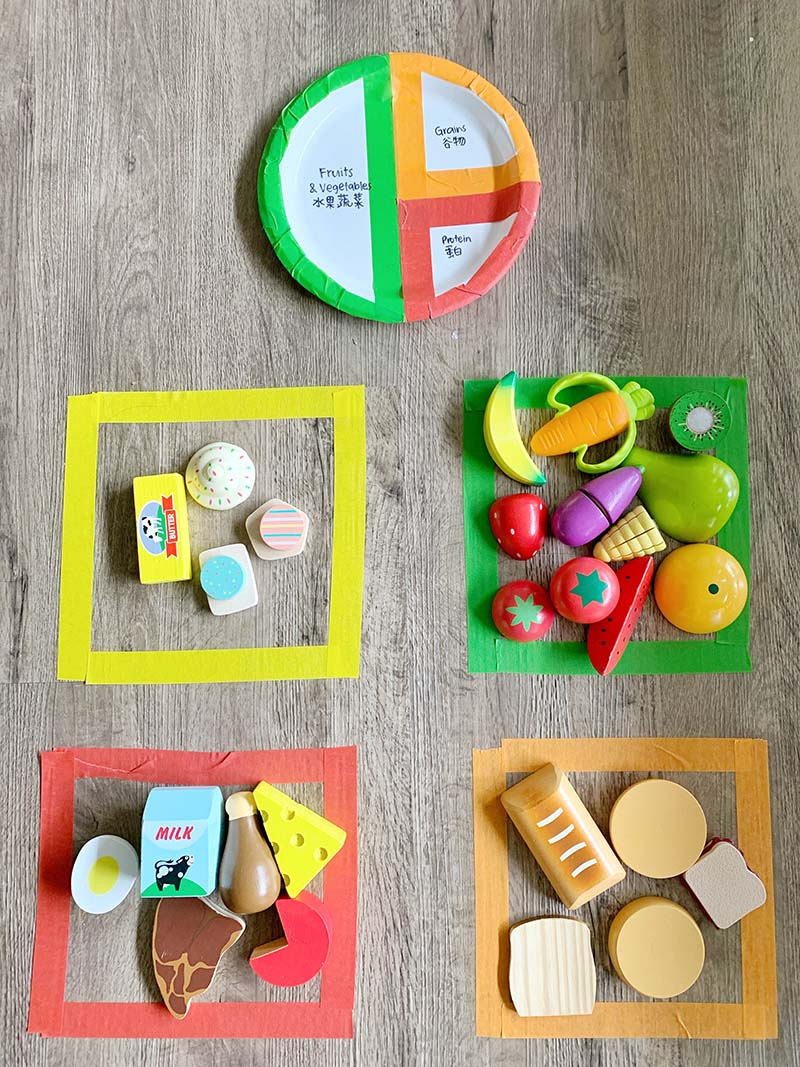
Design a healthy plate with half fruit and vegetables, quarter grains, and quarter protein.
Activity 3
Use fabric markers to draw a digestive system t-shirt, and then dress your anatomy model in it.

Activity 4
Return to the digestion baggies from earlier. The acid of the vinegar should now have had time to begin breaking down the apple slice.
Emotions
Introduction
Watch a three-minute video, "Faireachdainnean", and a two-minute video, "Slàinte-Inntinn".
Activity 1
A gross-motor or sensory activity to get the wiggles out.
Activity 2
A more sedate activity, usually involving letters, numbers, or fine-motor.
Lunch Snack
Ideally themed to the topic.
Activity 3
Crafting activity.
Activity 4
Any other fun optional bonus.
Lungs
Introduction
Watch a six-minute video: "How Your Lungs Work".
Activity 1
A gross-motor or sensory activity to get the wiggles out.
Activity 2
A more sedate activity, usually involving letters, numbers, or fine-motor.
Lunch Snack
Ideally themed to the topic.
Activity 3
Crafting activity.
Activity 4
Any other fun optional bonus.
Heart
Introduction
Watch a four-minute video, "How to Feel Your Heart Beat", or 7-minute video, "How Your Heart Works".
Activity 1
The heart moves about 5 litres of blood per minute. Have the child use a scoop to move water from one container to the other to see if she can beat a 1-minute timer.
Activity 2
People have heart attacks when fat fills up their arteries so blood can't flow through. Practice fractions by using playdough "fat" to block toilet roll "arteries" - half, a third, a quarter, three-quarters, et cetera.

Lunch Snack
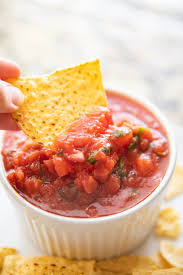
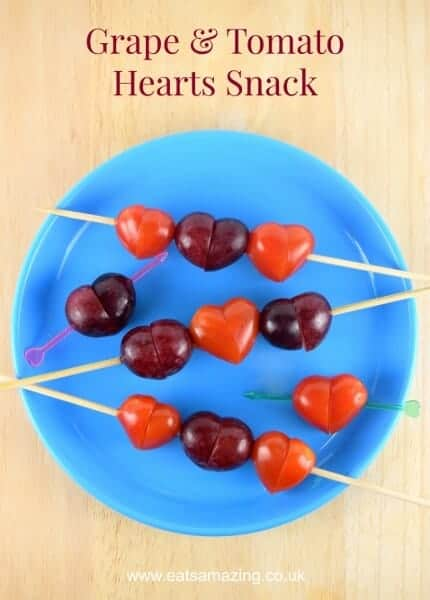
The Gaelic word for tomato is "ubhal-chrìdhe", or "heart-apple". Dissect the tomato "heart" by making a salsa (tomatoes, onion, lemon juice, garlic, and a pinch of sugar and pepper) and eating it with corn chips. Finish the meal by making grape "heart" kebabs.
Activity 3
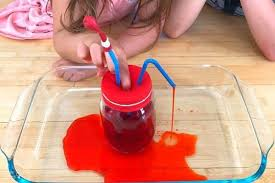
Make a heart pumping simulator.
Blood Composition
Introduction
Watch a three-minute video, "Operation Ouch: Red Blood Cells".
Activity 1
Use playdough to make biconcave disks, the shape of a blood cell. Make different sizes: tiny white ones for platelets, medium red ones for red blood cells, and large white ones for white blood cells.

Activity 2
Use a spoon (or tweezers, or tongs) to scoop and sort red and white blood cells (white pony beads and red perler beads respectively).

Lunch Snack
Make blood salad: strawberries for red blood cells, banana for platelets, apples for white blood cells, grapes for bacteria and viruses, yoghourt for plasma.

Activity 3
Make a blood composition sensory bottle. Fill it 45% of the way with red perler beads (red blood cells), add a sprinkling of white seed beads (platelets), one white pony bead (white blood cell), and fill it with oil (plasma).


Circulation and Blood Types
Introduction
Watch a seven-minute video, "The Circulatory System".
Activity 1
A gross-motor or sensory activity to get the wiggles out.
Activity 2
A more sedate activity, usually involving letters, numbers, or fine-motor.
Lunch Snack
Ideally themed to the topic.
Activity 3
Crafting activity.
Activity 4
Any other fun optional bonus.
DNA and Cells
Introduction
A brief video, rhyme, or hook to set the topic for the day.
Activity 1
A gross-motor or sensory activity to get the wiggles out.
Activity 2
A more sedate activity, usually involving letters, numbers, or fine-motor.
Lunch Snack
Ideally themed to the topic.
Activity 3
Crafting activity.
Activity 4
Any other fun optional bonus.
Kidneys and Bladder
Introduction
Watch a three-minute video, "The Urinary System", or a six-minute video, "How the Urinary System Works".
Activity 1
A gross-motor or sensory activity to get the wiggles out.
Activity 2
A more sedate activity, usually involving letters, numbers, or fine-motor.
Lunch Snack
Ideally themed to the topic.
Activity 3
Crafting activity.
Activity 4
Any other fun optional bonus.
Theme: Nativity Fast
Unit study on the Nativity Fast [Advent] and Entrance of the Theotokos, and activities associated with the start of the fasting period, such as putting up the tree and stirring up the pudding.
Overview
For the bookshelf


For the toy shelves
Outings
See also
Start of the Nativity Fast and Day After Entrance of the Theotokos
Preparing for Christ
Introduction
Watch Rocko's "Christmas Special" (it's actually quite long).
Activity 1
St. John Chrysostom said:
"Let the hands fast by being free of avarice.
Let the feet fast by ceasing to run after sin.
Let the eyes fast by disciplining them not to glare at that which is sinful.
Let the ear fast by not listening to evil talk and gossip.
Let the mouth fast from foul words and unjust criticism."
Get up and shake out your bodies after that long Rocko movie episode. Stretch and shake each body part John Chrysostom just mentioned.
Activity 2
Write down forty kind things you can do, such as:
- donate a Christmas present to a charity
- donate books to charity
- donate clothes you don't use any more to someone who needs them
- feed wild animals, such as birds or deer
- give someone a compliment
- give someone a hug
- let someone in front of you in a queue
- make someone smile, such as by telling a joke
- offer to help someone
- smile and thank someone who serves you
- spend 10 minutes giving someone your full attention
- tell someone you love them
- write a happy note and hide it for someone to find
- write a thank-you note to someone
Lunch Snack
Review which foods are fasting foods and which are non-fasting foods, and choose fasting foods for your meal.
Activity 3
Use forty paper plates to make a Christmas tree on the wall. Stick-tape a paper with an act of kindness to each one, ready to pull off an act on over the coming forty days.

Christmas Pudding
See also "Start of the Nativity Fast".
Introduction
Watch a three-minute video, "Stir-Up Sunday: Stir and Pray", or learn the "Christmas Pudding Song".
Activity 1
Find all the ingredients for the Christmas pudding, measuring and chopping as needed.
Activity 2
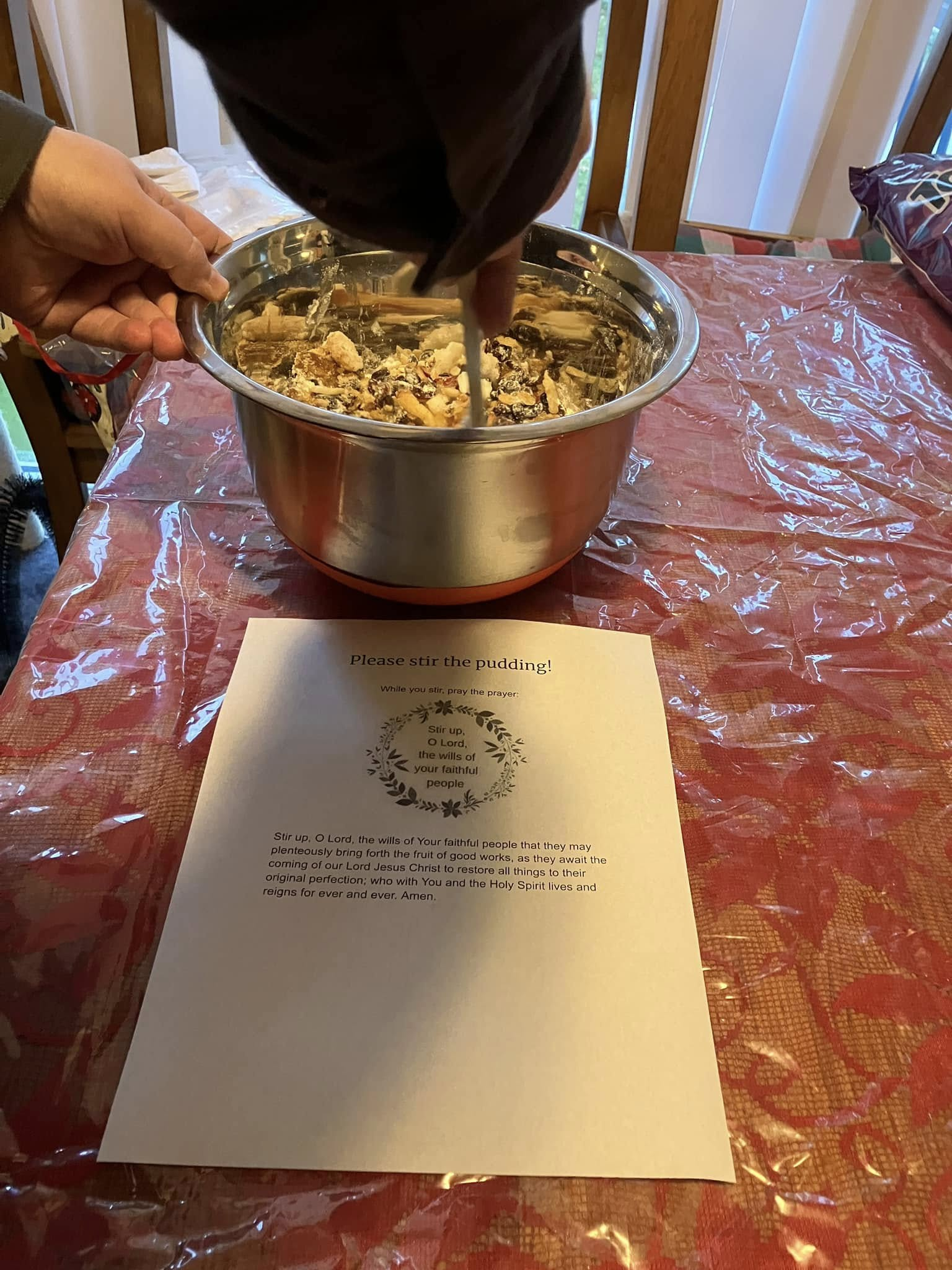
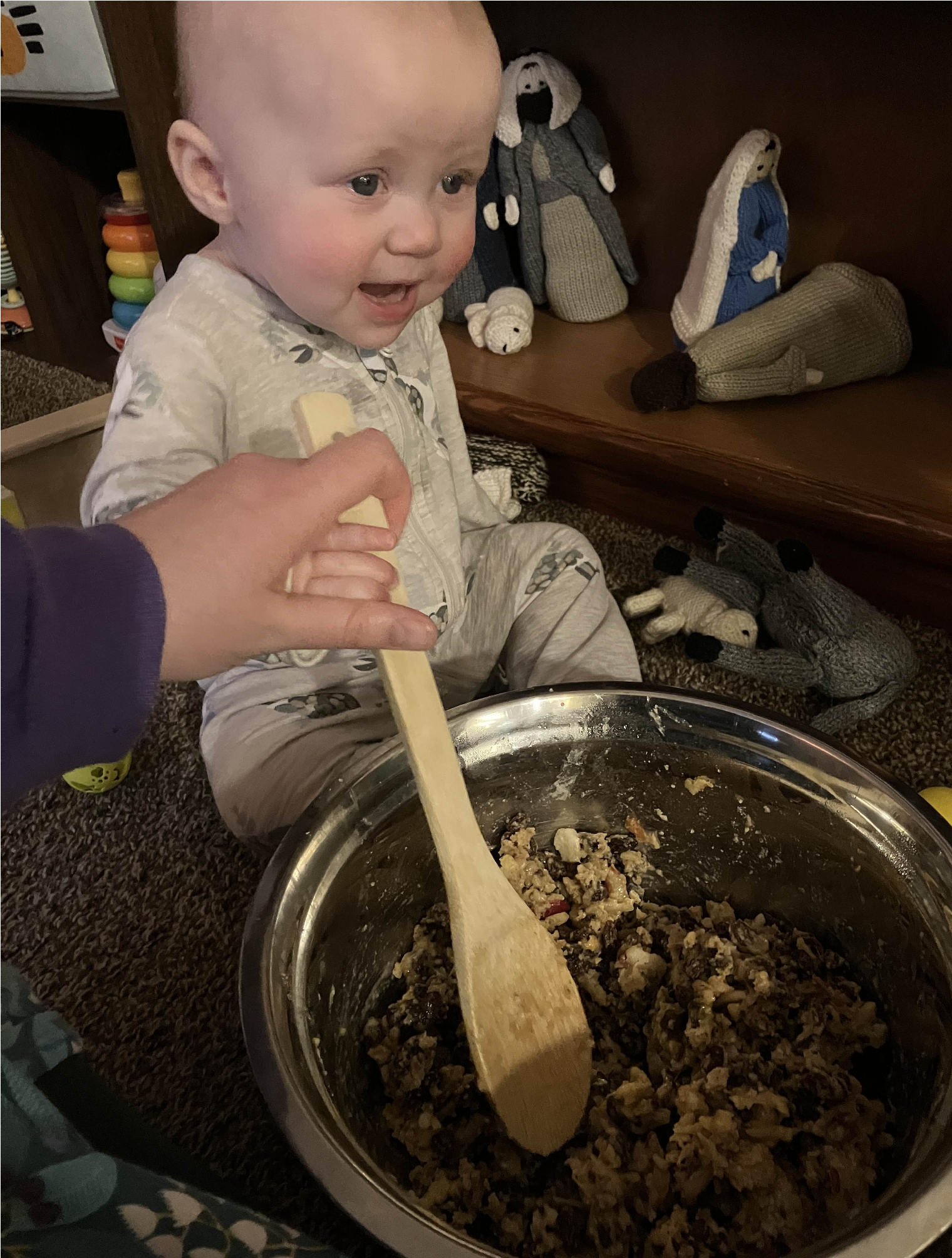
Make the Christmas pudding, making sure to say the "Stir Up" prayer.
Stir up, O Lord, the wills of Your faithful people that they may plenteously bring forth the fruit of good works, as they await the coming of our Lord Jesus Christ to restore all things to their original perfection; who with You and the Holy Spirit lives and reigns for ever and ever. Amen.

Lunch Snack
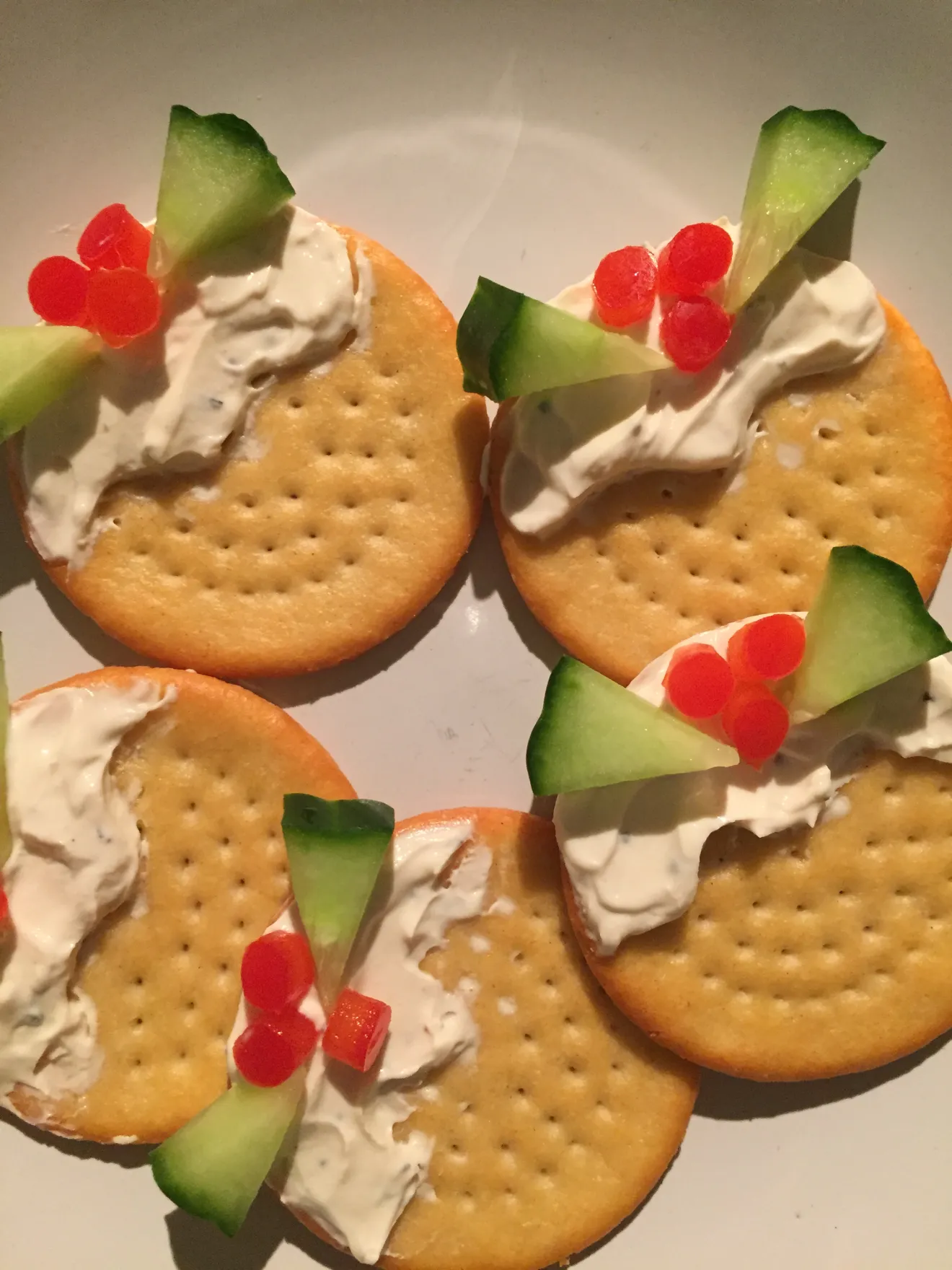
Make Christmas pudding cracker snacks with round crackers, cream cheese or another light-coloured spread, tomato and cucumber.
Activity 3
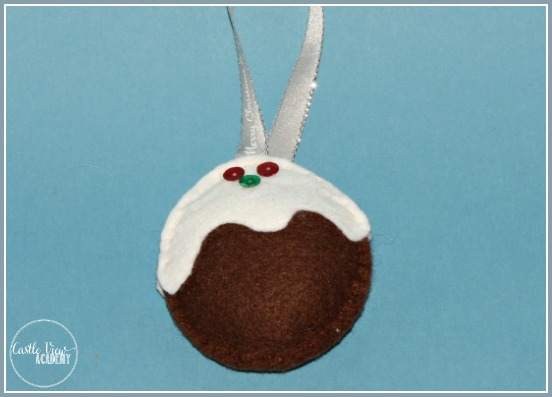
Make a felt pudding ornament, or make a paper plate Christmas pudding.
Activity 4
Make a Christmas pudding out of scented playdough.

Christmas Cards
Activity 1
Walk to the post box to check the mail.
Activity 2
Cut out images from Christmas junk mail.
Lunch Snack
None specific.
Activity 3
Make Christmas cards to send using cut-out images from Christmas junk mail.

The Little Theotokos
Introduction
Watch a 5-minute video from Be the Bee: "God's Mother, Our Mother".
Activity 1
Play some of the interactive online games for Entrance of the Theotokos.
Activity 2
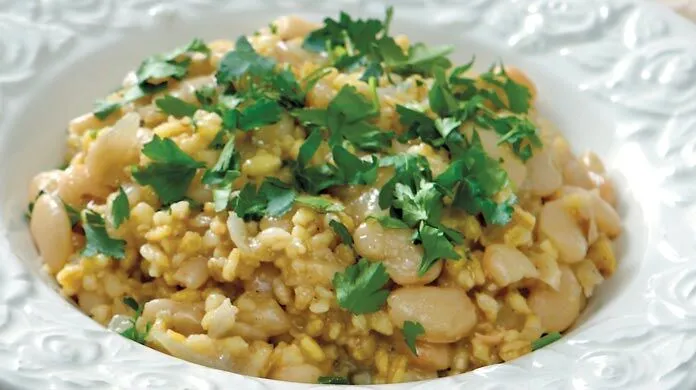
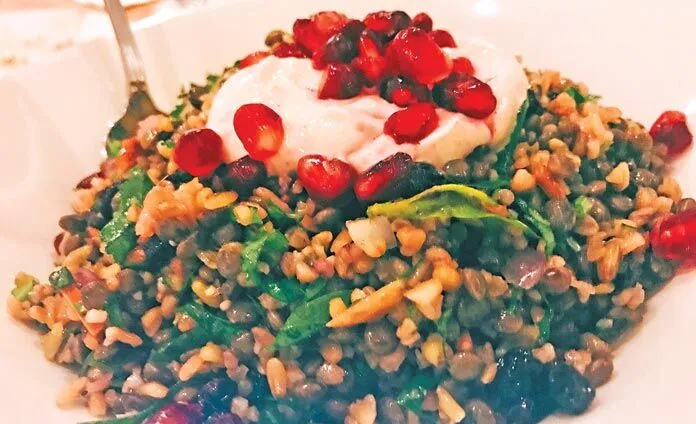
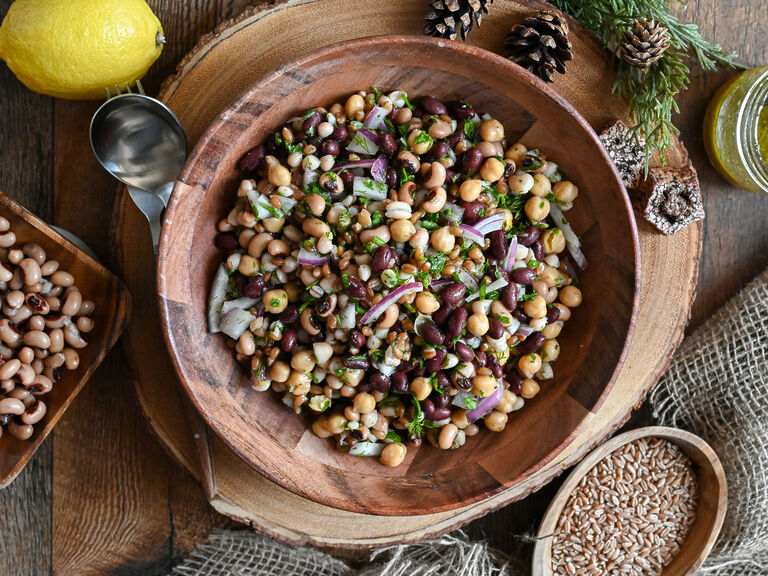
Make polysporia (bean salad) and give thanks to God for the things He has given us, like all the food harvested in the last few months. There are polysporia recipes here and here.
Lunch Snack
Eat some of the polysporia.
Activity 3
Use a matchbox painted gold (or use yellow construction paper to make a similar size box), and tape toothpicks or popsticks to the sides and yellow feathers to the top to make a little Ark of the Covenant. Print out and cut the attached printables, discussing how the Theotokos has become the new Ark and how the things in the Ark are types of Christ: the manna and the Bread of Life; the tablets and the fulfillment of the Law; the budding staff and the virgin birth.
Activity 4
Wear white to church for the Entrance of the Theotokos.
The Theotokos' Life in the Temple
Introduction
Watch a 7-minute video, "The Life of the Theotokos".
Activity 1
Stretch purple yarn or ribbon across the floor. Practice jumping over it, one side to another. Walk along it like a balance beam. For an older child, place two pieces parallel and use it to practice jumping using an elastics rhyme.
Activity 2
Use pieces of purple yarn to make letter shapes on a tabletop workspace.
Lunch Snack
Eat purple foods: grapes, beetroot, eggplant, et cetera.
Activity 3
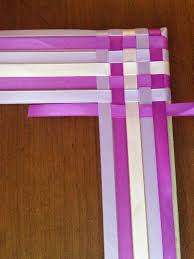
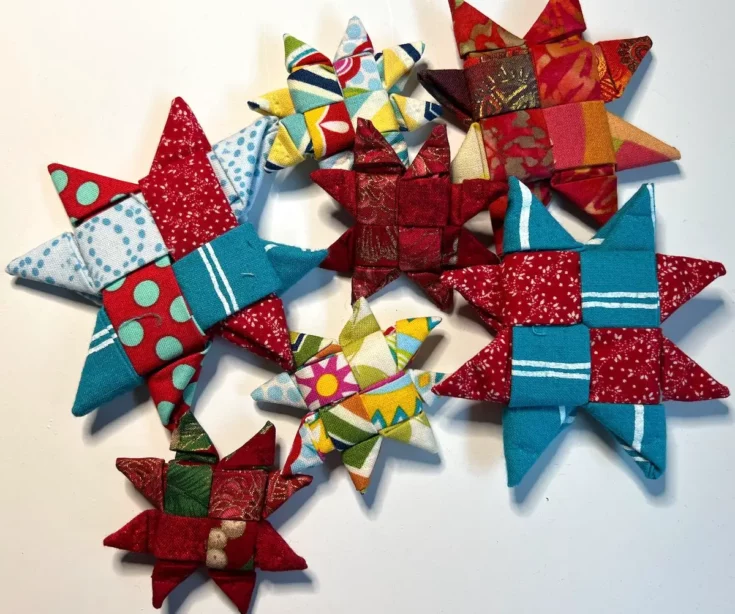
Weave something purple, such as strips of purple paper, or basic tablet weaving with wool, or make a purple woven Swedish star ornament.
The Tree of the Knowledge of Good and Evil
Introductory
Read about the Tree of the Knowledge of Good and Evil in a children's Bible.
Activity 1
Put a basket on the ground and practice throwing the non-breakable Christmas baubles into it.
Activity 2
Use red and green pom-poms to spell out letters.
Lunch Snack
Eat apple slices dipped in hummus.
Activity 3
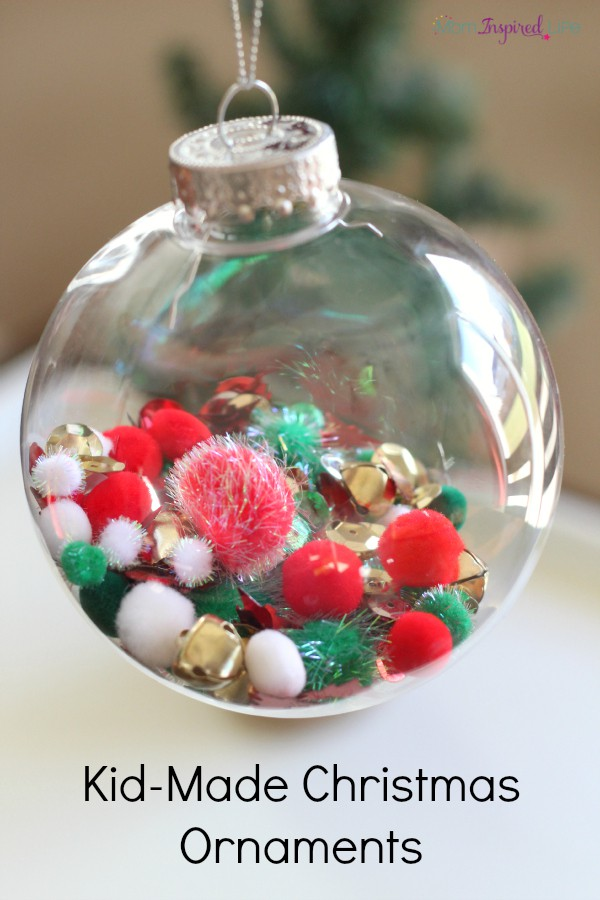
Make a bauble by filling an empty clear bauble with pom-poms, sequins, and other objects.
The Burning Bush
Introduction
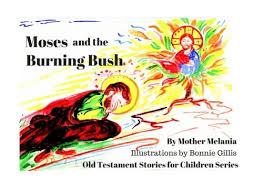
Read "Moses and the Burning Bush".
Activity 1
Moses took his shoes off because he was on holy ground. Put all your shoes in one big pile at one side of the room, and have the child run to grab one shoe at a time and match them in pairs at the other side of the room. For more than one child, make it a relay.
Activity 2
God said, "I am who I am". Use small birthday tapers to write out "I AM". Then use one of them (or a green crayon) to draw a burning bush (or something else) on a piece of paper. Use a sponge to lightly brush watered-down red or orange paint on it and see how the drawing (the bush) resists the red paint (the flames).
Lunch Snack
Make a tree-shaped fruit salad: kiwi fruit and green grapes for the tree, and strawberries and raspberries for the flames.

Activity 3
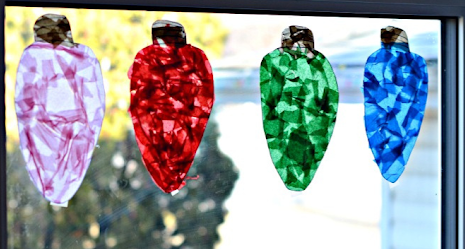
Make a Christmas lights suncatcher using clear contact paper and ripped bits of tissue paper. Use a sharpie to draw the bulb shape on the contact paper and have the child rip and stick the tissue paper. Cover with a second piece of contact paper and cut around the shape. Use a hole punch in the top and thread a string through to create a garland.
Activity 4
Download the Moses and the Burning Bush worksheets from Holy Assumption Monastery. (They are free, but you will need to create an account).
Moses' Staff
Introduction
Watch a 5-minute video: "The Bronze Serpent".
Activity 1
Practice moving in the different ways that snakes move.
Activity 2
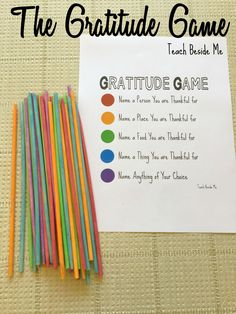
Tie ribbons around a stick to make a Christmas tree ornament. Think of something you are grateful for for each ribbon.

Lunch Snack
Eat spaghetti or another snake-shaped food.
Activity 3
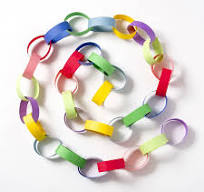
Make a paper chain garland.
Christmas Tree
Introduction
Watch a one-minute video: "Còig Criomagan Craobh na Nollaige".
Activity 1
Set up the Christmas tree.
Activity 2
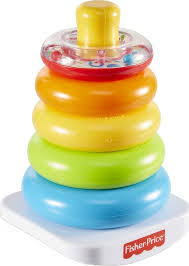
Prepare rounds of felt with a slit in them and have the child stack them on a pop stick. For a smaller child, just use a tower stacker toy.

Lunch Snack
Make a Christmas tree out of sugar snap peas, pretzels, and a slice of apple.

Activity 3
Make toilet paper roll Christmas trees.

Theme: North American Animals
Unit study on animals of North America.
Overview
For the Bookshelf
"Biorachan Beag agus Biorachan Mór" - Pardee Family Library, softcover
"First 100 Nature Words" - Pardee Family Library, hardcover
"Where is Peter Rabbit?" - Pardee Family Library, hardcover


For the Toy Shelves


Outings
Visit Seven Lakes Park to go animal spotting.

North American Animals Theme Introduction
Activity 1
Make an animal tape rescue using the animals in this theme, sticky taped to a baking tray. Once rescued, match them to picture cards, learn their names, and brainstorm what they have in common.

Curriculum areas: E10a
Activity 2
Curriculum areas:
Lunch Snack
Curriculum areas:
Activity 3
Curriculum areas:
Activity 4
Beavers
Introductory Facts
Beavers are the second-largest rodents in the world, growing 3-4 feet or 1 metre long - about the same age as a preschool-aged child! They have double eyelids and are very short-sighted. The double eyelids function like swimming goggles.
Activity 1
Did you know that beaver tail shapes are a family trait? Print the Beaver Tail Shape Match page in the attachments. Find an object for each shape from your toys or around the house and place it on the correct beaver.
Curriculum areas: M05b, E10b
Activity 2
Watch the 9-minute BBC Earth video "Beaver Lodge Construction Squad". See if you can build a dam to stop water! Use a slippery-dip or driveway gutter to be the river and use sticks and mud to build the dam just like beavers do.
Curriculum areas: M08a, M08b, E02a, E02c
Lunch Snack
Beavers have long orange front teeth which grow throughout their lives and can cut through a branch the size of a finger in a single bite. Make tortilla or flatbread "logs" by choosing brown fillings such as sliced meat or peanut butter and rolling them up, and serve it with a side of carrot sticks.
Curriculum areas: S13a, S13c
Activity 3
Make a paper plate beaver face.

Curriculum areas: M06b
Activity 4
Make beaver tail pastries for afternoon tea.
Bison
Introductory Facts
Watch a four-minute video "Meet the American Bison!" or a ten-minute video "Bison of the West". Bison are also called "buffalo", but they're not the same species as water buffalo in Asia.
Activity 1
Bison, or buffalo, are mentioned in the first verse of "Home on the range". Practice singing it.
Curriculum areas: X02a, X02b
Activity 2
Buffalo graze, and eat grass, shrubs, and twigs. In winter, they can eat grass buried under up to four feet of snow. Hide objects under pillows and blankets and practice finding them just by feeling.
Curriculum areas: S12a
Lunch Snack
Make "buffalo food" for lunch:
For the salad:
- 1 cucumber
- 1/2 green bell pepper
- 1 cup curly parsley
- 1/4 cup scallions or chives
For the dressing:
- 2 tbsp lemon juice
- 4 tbsp olive oil
- 1 tsp mined garlic
Finely chop the salad greens and then toss them together with the dressing. Cook quinoa or bulgur for the soil and add the green salad over the top for the grass. Serve with pieces of beef on top for the buffalo.
Curriculum areas: S13c, R09b
Activity 3
Buffalo like to roll around in the dirt to keep themselves cool. Print the Buffalo Template page in the attachments. Paint the buffalo with dirt paint: collect some dirt and sieve it so there's no large pieces (or use coffee grounds), and then mix equal parts dirt, PVA glue, and water until its the consistency of yoghourt. Don't paint the horns, but cut them out and attach them after, and use a piece of brown string or yarn for the tail.
Curriculum areas: M06b, M06c, M08e
Caribou
Introductory Facts
Caribou are also called reindeer. Watch the 2-minute video "Learn Facts about Reindeer". Reindeer are furry all over, including their nose and their hooves, and two different sorts of hair, with soft wool near the skin and long, hollow hairs on top which help them float if they need to swim across a river. They can swim 6-10kmph (4-6mph).
Activity 1
Caribou are the only domesticated deer species. People in the arctic use them like horses, for pulling sleds and carrying loads. See if you have what it takes to be a highly-trained reindeer!
Trotting: Practice galloping around the room, making sure your knees are high. Move on to skipping if you can.
Balance: Put a narrow plank or a piece of tape on the floor and practice walking along it
Sled pull: Fill a basket with doll and teddy bears and tie a rope around one end for a harness to pull across the room. Be careful so your passengers don't topple over or fall off!
Curriculum areas: S05a, S05b, S06a, S06c
Activity 2
Spread rice on a baking tray and use a finger, straw, pencil, etc to make sled tracks in the "snow": lines, waves, zig-zags, and letters.
Instead of rice, you could make fake snow out of 1 cup baking soda and 1/5 cup white conditioner, or use shaving foam.
Curriculum areas: L08a, L11a, L11c
Lunch Snack
Reindeer eat lichen, herbs, ferns, hay, beet pulp, and alfalfa. Make a beetroot salad for lunch.
For the salad:
- 1 can of chopped beetroot
- 1/2 red onion, thinly-sliced
- 1/2 cup of bean sprouts or alfalfa
- 1/2 cup chopped parsley, mint, dill, and chives
- 1/4 cup walnuts or pinenuts
- 1/2 cup feta cheese
For the dressing:
- 1/4 cup orange juice
- 1 tbsp olive oil
- 1 tsp crushed garlic
- 1/2 tsp cumin
- pinch of salt
Curriculum areas: S13a, S13c
Activity 3
Glue together a rectangular carton and a paper cup to make a caribou head and body. Wrap brown yarn around them, as well as four sticks or pop-sticks to be the legs. Use velvety brown pipecleaners to make tall antlers.
Curriculum areas: M06b
Chipmunks
Introductory Facts
Watch a four-minute video: "Discover Chipmunk Burrows".
Activity 1
Chipmunks hibernate over winter. Sing some of the hibernation songs.
Curriculum areas: X02a, X02c, S07a, S05b
Activity 2
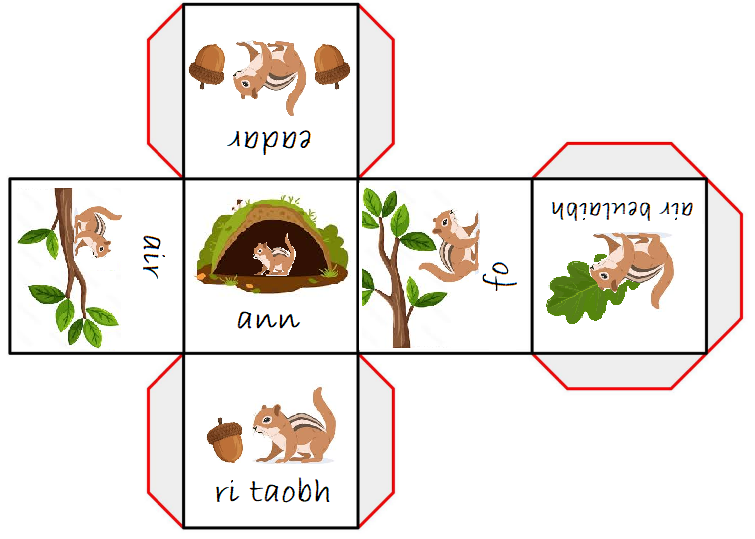
Print and construct the chipmunk preposition dice in the attachments. Using a chipmunk figurine and props from the garden, roll the dice and move the chipmunk to those places, saying the prepositional phrase.
Curriculum areas: L01c, S08a, S08c, M05c
Lunch Snack
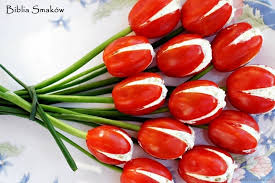
Chipmunks are opportunistic omnivores, and eat seeds, nuts, berries, fruits, flowers, and mushrooms as well as insects, worms, snails, frogs, eggs, and small birds. Make "acorns" to eat with boiled eggs and mushroom hats, and serve with grape tomato "tulips".
Curriculum areas: S13a, S13c
Activity 3
Make a chipmunk in a burrow paper plate craft.
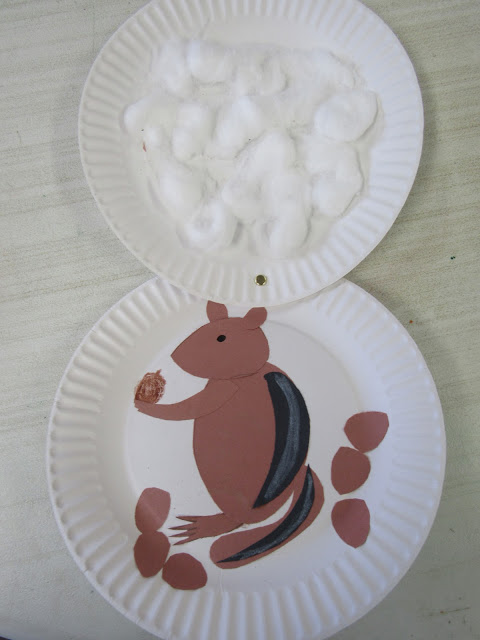
Curriculum areas: M06b
Coyotes
Introductory Facts
Coyotes are omnivorous mammals, and eat mice, voles, rabbits, insects, fish, frogs, snakes, and lizards, as well as grasses and nuts. The name comes from the Aztec word "coyotl", and they are found everywhere in North America.
Activity 1
Curriculum areas:
Activity 2
Curriculum areas:
Lunch Snack
Curriculum areas:
Activity 3
Curriculum areas:
Activity 4
Deer, Part 1
Introductory Facts
Watch the 5-minute video "Interesting Facts about Deer". Try to recall a time you've seen a deer.
Deer are mentioned in the first verse of "Home on the range", as well as the chorus. Review it (from the bison session) and practice singing it.
Curriculum areas: X02a, X02b
Activity 1
Deer can run up to 30 miles and hour and jump as high as 10 feet (3 metres). Practice jumping as high as you can! Deer and especially fawns leap when they're running away. Do your best imitation of a leaping deer, and practice skipping, which is a similar motion to leaping but for humans.
Curriculum areas: S06e, S06c, S06a
Activity 2
While you're out and about practicing your leaping and skipping, have a look for pinecones, acorns, leaves, even small tree branches that look like deer antlers! Feel the different leaves, textures, and materials. See if you can spot deer tracks.

Curriculum areas: E03a, E03b
Lunch Snack
Deer eat fruit, nuts, acorns, and grass. Make a fruit salad, or eat a platter of dried fruit and nuts, or boil some grains and top it with fruit and nuts.
Curriculum areas: S13b, S13c
Activity 3
Make a paper plate sleeping deer. Print the deer template in the attachments (head and tail) as well as the back of paper plate. Cut a slit along the radius of the paper plate and staple it into a low cone, then attach the head and tail. You can paint it using a cotton ball on a peg for the brown and a q-tip for the white, and add cotton balls for the fluff on the tail.
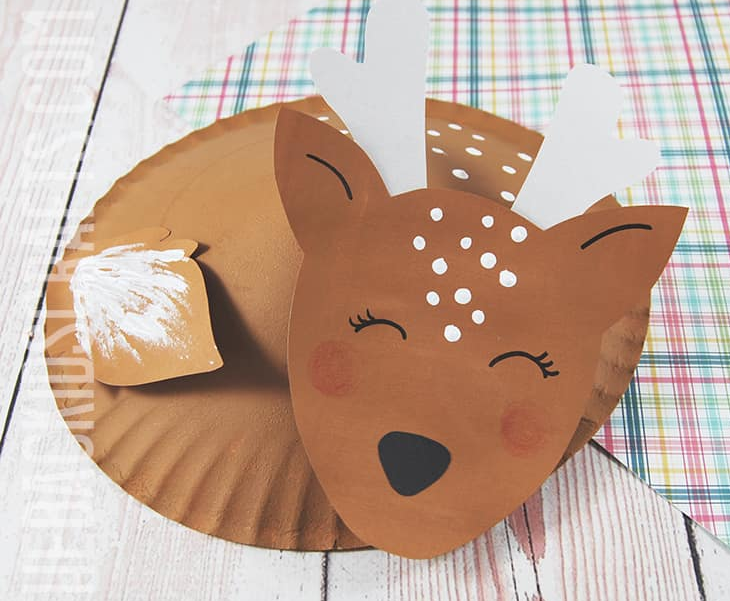
Curriculum areas: M06b, M06c, M08e
Deer, Part 2
Introductory Facts
Watch the 3-minute video "Nine Deer and Me" (or read the book if you have it). A deer community is called a herd, and they can live in herds of up to one hundred thousand.
Deer are mentioned in the first verse of "Home on the range", as well as the chorus. Review it (from the bison session) and practice singing it.
Curriculum areas: X02a, X02b
Activity 1
Deer antlers grow faster than anything else on the planet! See how fast and how tall you can stack blocks. Keep a record of how many minutes/seconds before the block tower falls down, how many blocks there were, and how tall it was, and then make a graph of it.
Curriculum areas: L10c, M08f, E08b
Activity 2
Pretend your hands are deer antlers, holding them up to your head with the thumbs above your ears. Each little spoke on the antler is called a tine - do you want one, two, three, or four tines on your antlers? Pick a different number for each hand and see how many you have in total. Then pick new numbers of tines.
Curriculum areas: M01a, M01b, M01d
Lunch Snack
Find some venison to try! Or make flatbread or celery deer heads.
Curriculum areas: S13b, S13c
Activity 3
Watch the 7-minute video "Drawing St. Godric's Deer" and draw a deer!
Curriculum areas: M06b, M06c, L11c
Groundhogs
Introductory Facts
Groundhogs are also called "woodchucks". Practice saying the tongue-twister "How much wood would a woodchuck chuck if a woodchuck could chuck wood?"
Curriculum area: L01a
Activity 1
Curriculum areas:
Activity 2
Curriculum areas:
Lunch Snack
Curriculum areas: S13a, S13c
Activity 3
Curriculum areas:
Activity 4
Hedgehogs
Introductory Facts
Watch the one-minute video (in Gaelic), "Còig Criomagan Gràineagan"
Activity 1
Hedgehogs are 5-12 inches (12-30cm) long, with a coat of sharp spines, and will curl into a ball when they feel threatened. The spines are made out of keratin, which also makes hair and nails. Use playdough to form balls, and stick toothpick spines into them.
Curriculum areas:
Activity 2
Hedgehogs hibernate, and are nocturnal. Darken a room by turning off the lights and closing the windows, and practice moving around in the dark. Hide wooden eggs around the darkened room to find.
Curriculum areas: S05a, S05b, S07a
Lunch Snack
Hedgehogs are carnivores and eat bugs and eggs, but they're lactose intolerant. Make "spider eggs" for lunch used halved hard-boiled eggs, topped with an olive and strips of carrot for the legs. Make sure not to use milk!

Curriculum areas: S13a, S13c
Activity 3
Watch the four-minute video: "Dèan Fhèin E: Gràineag", and then make a paper hedgehog.

Curriculum areas: M08e
Moose
Introductory Facts
Watch a two-minute video, "Moose Facts for Kids".
Activity 1
Moose are 10 feet (3 metres) long and 7 feet (2 metres) tall. Their antlers can be 6 feet (180cm) across. Measure this out on the floor, and measure it in terms of different units: child's height, child's feet, parent's feet, et cetera.
Curriculum areas: M02b
Activity 2
Make a set of fake moose antlers with a 1m-long dowel and empty (or slightly filled with rice, beans, pebbles, et cetera) bottles on each end. Hold it on your head sticking out to each side and try to walk around, get through doors, and so on, without knocking things over.
Curriculum areas: S05a, S05b, S07a
Lunch Snack
Moose eat mainly leaves, tree bark, and nuts. Make a cinnamon nut salad for lunch.
For the salad:
- 3 apples, diced
- 1 cup walnuts or pecans, chopped
- 3 cups chopped greens (spring mix, kale, etc)
- 1/2 cup cooked quinoa
For the dressing:
- 1/4 cup mayonnaise (or substitute 2 tbsp tahini, 1 tbsp mustard, and 1 tbsp olive oil)
- 3 tbsp maple syrup
- 2 tbsp apple cider vinegar
- 1 tbsp lemon or orange juice
- 1 tsp ground cinnamon
Mix the salad ingredients together and then mix up the dressing and pour it over.
Curriculum areas: S13c, R09b
Activity 3
Print the moose template in the attachments. Because moose eat leaves and tree bark, paint it using tea bags, and cinnamon mixed with a little PVA glue and water. Cut out handprints on white or cream paper to attach as the antlers once the moose is try.
Curriculum areas: M06b, M06c, M08e
Opossums
Introductory Facts
Watch the four-minute video "Opossums".
Activity 1
When they feel threatened, opossums flop onto their sides and pretend to be dead until they have an opportunity to escape. That's called "playing possum". Play musical opossums (statues) and freeze when the music stops!
Curriculum areas: S06a, S06b, S06c, S06e, X02c
Activity 2
Opossums are great at climbing trees by digging into their bark with their long claws. They also hang from the branches by just their tails! Just like coathangers. Practice hanging up coathangers.
For an older child, take pipecleaners and practice wrapping one end once or twice around the coathanger - does it stay on when you shake the coathanger like the wind? What about if you thread some beads onto the long end of the pipecleaner to make it heavier?
Curriculum areas: M08a, M08b, M08d
Lunch Snack
Opossums are marsupials, which means they have pouches where their babies live. They are also omnivorous scavengers, and eat anything they can find - mice, insect, birds, worms, snakes, chickens, troadkill, things found in garbage cans and dumpsters, you name it.
For lunch, fill a pita pocket with as many different sorts or colours of food as you can. Or, for a treat, go and get shawarma.
Curriculum areas: S13a, S13b, S13c
Activity 3
Make a toilet roll opossum. Paint the toilet roll grey, and add a white cone on one end for the face, black ears and legs. Cut a slit halfway across it halfway down. Punch two holes in the opposite end to the face and push through a black pipecleaner, pulling it tight and twisting it into a tail to seal up that end. The slit should open up to the inside of the toilet roll, like a pouch.
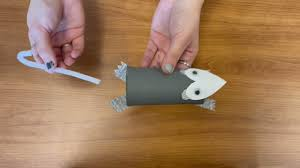
Curriculum areas: M06b, M06c, M08c
Activity 4
Opossums give birth to up to 20 live babies at a time, but they are very tiny and they have to crawl into the mother's pouch to keep growing for a while before they can move outside. Use some dry red kidney beans and practice using tweezers to move them into the pouch. Roll a die or two to decide the number. Roll again to find a number of grey pom-poms to stick on the opossum's back, to represent the joeys when they are a bit older.
Curriculum areas: M01a, M01b, M02b
Raccoons
Introductory Facts
Watch a two-minute video, "Amazing Animals: Raccoon".
Activity 1
Raccoons are called "wash bears" in most languages, because they wash their food. Wash your plastic toy animals! Fill a large container with some manner of brown gunk (chocolate cake mix; chocolate pudding; oobleck with brown food colouring; cocoa powder mixed with flour and water; etc) and the animals in it. In a bowl put water, a little soap, and toothbrushes. Have the child fish out the animals from the brown gunk and wash them in the bowl.
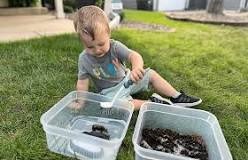
Curriculum areas: S11a
Activity 2
Raccoons have dens in tree holes, logs, and attics, and they spend the first two months of their lives there. In autumn, they gorge on food and then sleep all winder in their dens. Using the tree and the patterning strips in the attachments, stack food* in a pattern up the tree-trunk to help the raccoon reach its den.
*either print extra of the patterning strips and cut out the food items, or use play food. If using play food, you may need to print the tree in a larger size.
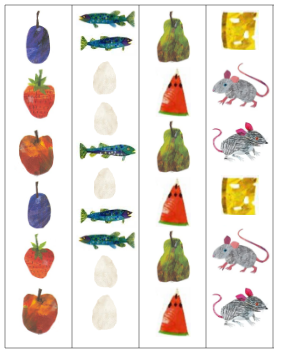

Curriculum areas: M03a
Lunch Snack
Raccoons are omnivores, and eat insects, mice, fish, eggs, and trash, so you can find them in all sorts of settings including the city. Eat leftovers for lunch.
Activity 3
Tear and glue newspaper and black paper onto the raccoon craft template (in attachments), then cut out the template pieces and stick together.
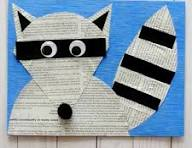
Curriculum areas: M06b, M06c
Skunks
Introductory Facts
Skunks make a sulphur-like smell which they spray from glands near their bum when they feel threatened. Prep the sulphur egg activity by very carefully poking holes in the shell of an egg with a pin (use a hardboiled egg if the child is going to be poking the holes). Put it in an al-foil nest in a sunny spot for the day.
Watch a two-minute video: "Meet a Skunk"
Activity 1
Skunks nest in burrows and logs. Build a blanket fort.
Curriculum areas: E02b, E02c
Activity 2
Different species of skunk have different black and white spots and stripes on their back. Print the skunk cards in the attachments. There are several activities to do with them:
- match upper and lowercase letters
- match shapes that are the same but rotated or sized different
- use fridge magnets to match letters - use just uppercase or just lowercase
- trace the letters using finger, objects, whiteboard marker, etc
Curriculum areas: L08a, L11a
Lunch Snack
Skunks are omnivores and eat a varied diet including fruits, plants, larvae, worms, eggs, and fish. Make a snack plate with hardboiled eggs, (cooked) fish sticks, spirali or hotdogs cut into little strips before boiling them (to look like worms), and fruit.
Curriculum areas: S13b
Activity 3
Watch a five-minute video "Skunk facts: not always stinky!"
We return to the concept of skunk stink, and make our second sulphur activity. Cut the heads off about a dozen matches and put them in an empty spice container. Add a few teaspoons of household ammonia. Compare the smells of each one.
Rub the smell of the sulphur on four scraps of cloth. Then treat one with tomato juice, one with baking soda and water, one with shampoo, and one with hydrogen peroxide. See which one removes the smell the most. Is it still the same answer after an hour?
NOTE: the adult should be the one handling the ammonia and the peroxide!
Curriculum areas: S12a, S13d
Activity 4
Make a paper plate skunk. Use half the paper plate for the body, a quarter for the head, and the rest for ears and tail. Paint it all black and glue cotton balls on for the stripes.
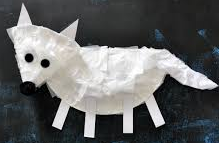
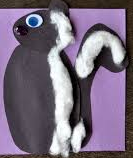
Curriculum areas: M06b, M06c, M08c, M08e
Squirrels, Part 1
Introductory Facts
Watch a one-minute video, "Fun Facts for Kids about Squirrels", and a four-minute video, "How Do Squirrels Find the Food they Hide?"
Activity 1
Go out and collect acorns, leaves, and twigs.
Curriculum areas: E03a, E03b, S07b, R09b
Activity 2
Using your acorn collection from before, or various nuts if you weren't able to find anything:
- sort and count the collection
- look at them under a magnifying glass, looking for bite marks
- describe the differences between the items - big, little, smooth, rough
- make patterns with the different items
- estimate how many of each you can hold in one hand, then try and count them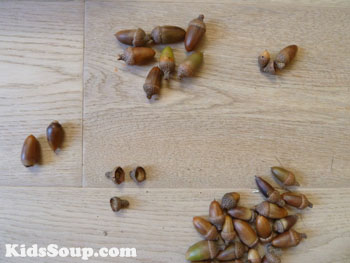
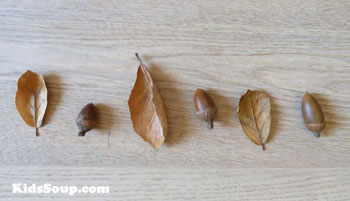
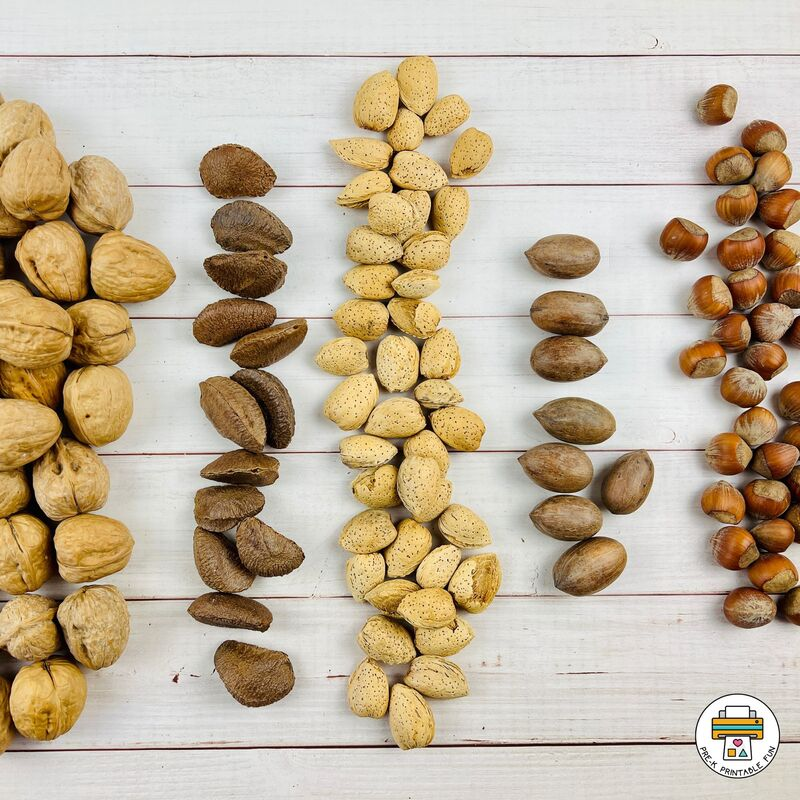
Curriculum areas: M04a, M03a, R09b, M01b, M02b, M02c
Lunch Snack
Make peanut butter and rice cracker squirrel faces, and use a squirrel cookie cutter to make fruit kebabs on the side.
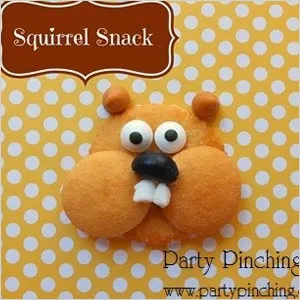
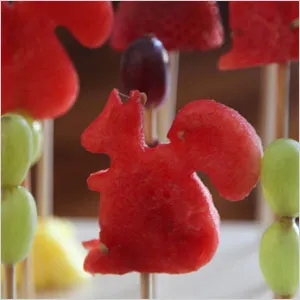
Curriculum areas: S13b, S13c
Activity 3
Make a squirrel feeder.
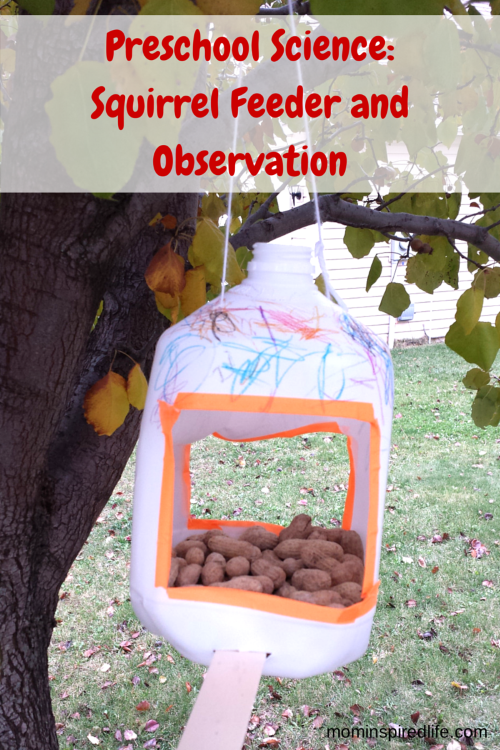
Curriculum areas: E02a, E02c
Activity 4
Play acorn bingo: draw a grid each, and take turns rolling a dice to see how many nuts you can put on it; the first person to cover all the squares wins
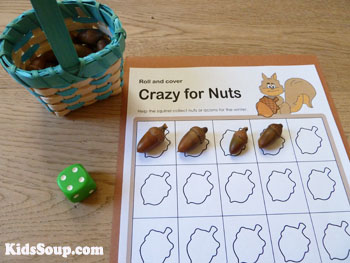
There are lots more squirrel and acorn activities here!
Squirrels, Part 2
Introductory Facts
Watch a six-minute video, "Stupendous Squirrel Storage!"
Activity 1
Make several nests throughout the house using large boxes, cushions, and so one. Assign each one a number and then look for the correct number of "acorns" (or pinecones, or beanbags, or play food) to store in each.
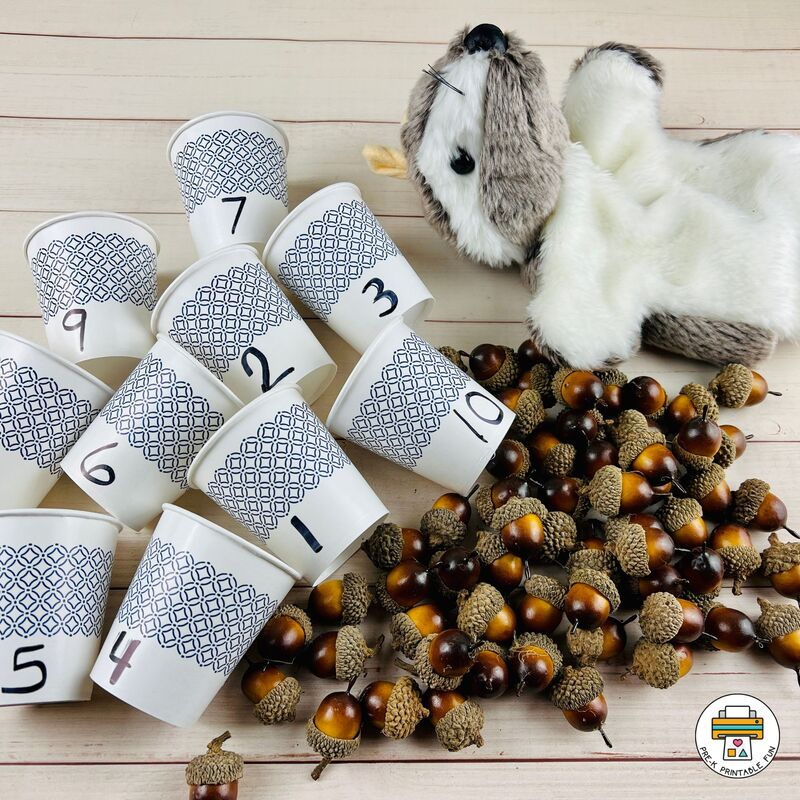
Curriculum areas: M01a, M01b
Activity 2
Using the acorns collected in the previous session, write a letter on each and sort into a container for Upper Case and a container for Lower Case.
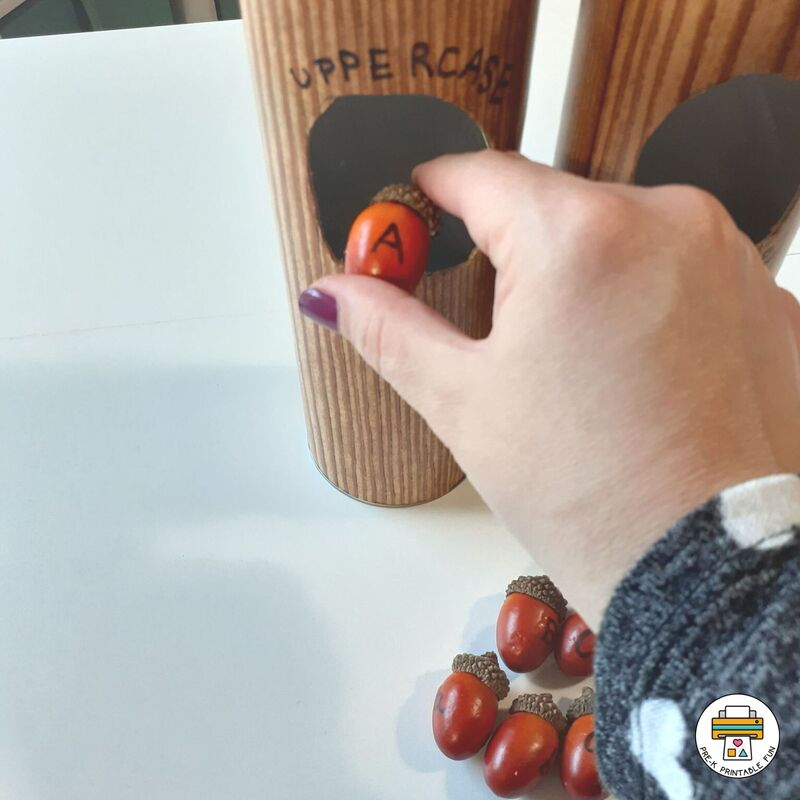
Curriculum areas: L08a,
Lunch Snack
Read about the different sorts of foods squirrels like, and make a grazing platter of all the different (human-safe) ones on the list.
Curriculum areas: S13b, S13c, S13d
Activity 3
Make a paper cup squirrel or a pinecone squirrel.


Curriculum areas: M06c
Activity 4
Read some more fun squirrel facts here.
Turkeys
Introductory Facts
Activity 1
Curriculum areas:
Activity 2
Curriculum areas:
Lunch Snack
Curriculum areas:
Activity 3
Curriculum areas:
Activity 4
Wolves
Introductory Facts
Activity 1
Curriculum areas:
Activity 2
Curriculum areas:
Lunch Snack
Curriculum areas:
Activity 3
Curriculum areas:
Activity 4
North American Animals Theme Recap
Activity 1
Play "feed the animals". Print and cut out the animal faces in the attachments and stick to the top of a jar. Provide a bowl of green split peas and a bowl of dried red kidney beans, and use a spoon to feed the split peas to the herbivores and the kidney beans to the carnivores, and both to the omnivores.

Curriculum areas: M07a, E11b, S13c
Activity 2
Curriculum areas:
Lunch Snack
Curriculum areas:
Activity 3
Curriculum areas:
Activity 4
Theme: Saint Bridget of Kildare
Mini-study on Bridget of Kildare.
Feast day: 1st of February
Overview
For the Bookshelf


For the Toy Shelves
Outings
Saint Bridget
Introduction
Watch a three-minute video, "The Boar and St. Brigid", and then learn "We Sing a Song to Brigid".
Curriculum area: X02a
Activity 1
Make a pipecleaner Bridget's Cross.
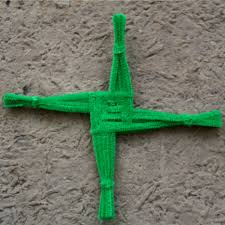
Curriculum area: M06b, M06c
Activity 2
Make oat bread. While it's baking, watch the 12-minute video "Brigid and the Butter", and then make some butter by shaking whipping cream in a jar.
Curriculum areas: S13b
Lunch Snack
Eat the oat bread with the butter you just made and with blueberry jam.

Curriculum areas: S13a, S13c
Activity 3
Watch "Drawing St. Brigid's Cow" and draw her cow.
Curriculum areas: M06b, L11a, L11c
Activity 4
Watch a bonus seven-minute video about "St. Brigid's Cloak". You can read more information about Bridget's life here, here, and here.
Theme: Saints David and Piran
Unit study on David of Wales, Piran of Cornwall, and the family slava tradition. Feast Days 1st of March and 4th of March.
Overview
For the Bookshelf


For the Toy Shelves
Outings
Saint David of Wales
Introduction
Watch the two-minute video "The Story of Saint David" or another slightly longer one, "The Story of St David".
Activity 1
Once when he was preaching, people couldn't see David and so a small hill rose up underneath him so people could see him. Build a small hill either out of lego and blocks (for a toy to stand on) or out of cushions (for the child to stand on).
Curriculum areas: M08f, M08a, M08b, M08c, E02c
Activity 2
David loved to read and write, and had a tutor called Paulinus. Paulinus went blind and David healed him as a small child. Make and write (or illustrate) a short book about David or another saint.
Curriculum areas: L11a, L11c
Lunch Snack
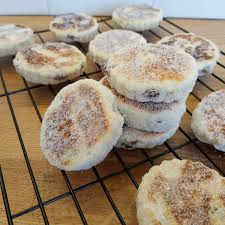
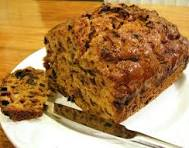
Make welsh cakes or bara brith.
Activity 3
Make daffodils on popsticks. Think of different ways to make the flower: with cardboard and patty-pans, as a pinwheel, et cetera.


Curriculum areas: M06b, M06c
The Family Slava
Introduction
Watch a one-minute video about preparing for a "Family Patron Saint's Day", or a nine-minute video "Slava, Celebration of Family Saint Patron's Day".
Activity 1
Look at pictures of different bread (kolac) or koliva (wheat) top decorations, and plan out your own one using symmetry.
Curriculum areas: M05a, M06a
Activity 2
Prepare the slava koliva: boiled wheat with sugar, walnuts, and spices. Smell the different spices: nutmeg, cloves, vanilla. Make a list of living and dead people to pray for; look through photo albums.
E03a
Lunch Snack
.
Activity 3
Make or decorate a candle.
Saint Piran of Cornwall
Introduction
Watch the 12-minute video "The Tale of St Piran".
Activity 1
Saint Piran floated from Ireland to Cornwall on a mill-stone. Collect different shaped rocks to see if they float; then try floating other objects.
Curriculum areas: E06b
Activity 2
Draw and colour in Saint Piran's flag, or make it out of found objects, and see how many different squares/rectangles you can find in it.
Curriculum areas: M06b, M06c, M01b
Lunch Snack
Make pasties.
Activity 3
Prepare an icon of St. Piran for the slava table by decorating a nice frame for it.
Curriculum areas: M06b, M06c,
Activity 4
Make the slava cake or bread and decorate the top to resemble St. Piran's flag.
Bonus
Watch the 25-minute short film about Saint Piran of Cornwall.
Theme: Saint Lucy
Mini-Study on St. Lucy of Syracuse.
Feast day: 13th December
Overview
For the Bookshelf


For the Toy Shelves
Outings
Attend vespers and Liturgy - wear white with a red sash to Liturgy.
Drive around to look at Christmas light displays.
Other Resources
Information about St. Lucy.
Colouring pages.
Printable activities.
Blankets in the Catecombs
Introduction
Watch the 11-minute video "Lucia, Saint of Light".
Activity 1
Watch "Santa Lucia", a two-minute song video, and learn at least a verse of the song.
Activity 2
St. Lucy delivered blankets to prisoners in the catecombs. Make a knotted fleece blanket to donate to homeless people.

Lunch Snack
.
Activity 3
St. Lucy's hands were full carrying the blankets, so she found a way to carry her candles on her head so she could have light without having to hold the candles. Make a candle wreath or crown using a small wreath or felt for the leaves and pipecleaners for the candles. Make a large version to wear and a small version for a Christmas ornament.

Activity 4
Plant some wheat seeds on the windowsill. Water them until Christmas, at which point they should be around 8 inches tall.
Saint of Light
Introduction
Re-watch "Santa Lucia", a two-minute song video, and revise the song. Try singing along to the video.
Activity 1
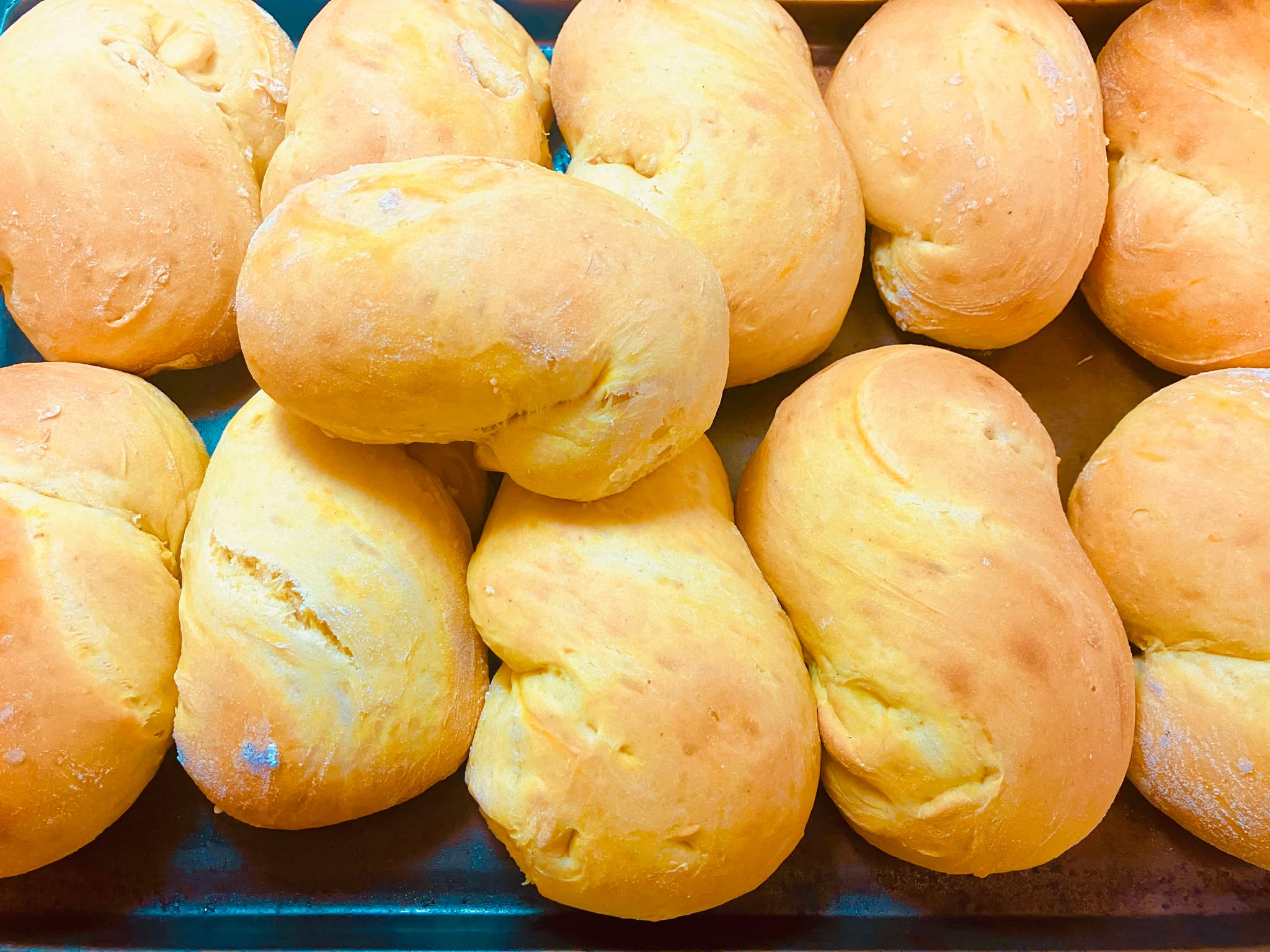
Make and kneed the batter for St Lucy Buns. You can also make a batch with added cranberries to weave into a wreath.

Activity 2
Prepare the two dice in the attachments, along with 6-10 of each object (red ribbon pieces, star, mini salt dough St. Lucia buns, birthday cake candles, cranberries, and cardamom pods) in a basket. Roll the dice and count out that number of the object.

Lunch Snack
Eat the buns!
Activity 3
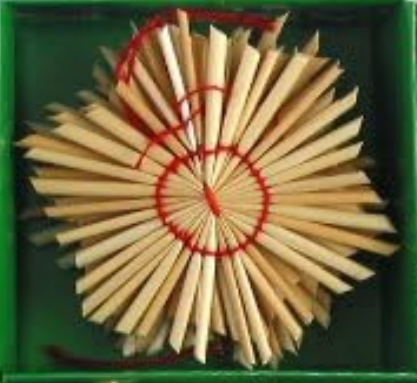
Make a straw star ornament.
Activity 4
Drive around to look at Christmas light displays.
Theme: Saint Nicholas the Wonder-Worker
Mini-study on Saint Nicholas of Myra.
Feast day: 6th December
Overview
For the Bookshelf


For the Toy Shelves
Outings
Attend the festal Liturgy at St. Nicholas'.
Other Resources
Orthodox Pebbles
Colouring Sheets
Nine Gold Coins
Introduction
Watch a twelve-minute video, a reading of "Saint Nicholas and the Nine Gold Coins" with illustrations.
Activity 1
Do a bean-bag throw. Use a basket, hoop, or tape on the floor - or even a pair of shoes! - as a target and practice throwing bean-bags into them, just like St. Nicholas threw his pouch of coins into the girls' shoes.
Activity 2
Sort coins by size, colour, or denomination. Find the gold ones! Make patterns with them; gold-silver-gold-silver, or big-big-small-big-big-small, et cetera. Count out nine coins and divide them into three even groups.
Look at the pictures of Byzantine coins from St. Nicholas' time, found in the attachments. How are they different to modern coins in your country? How are they the same? What about modern coins in other countries?
Lunch Snack
Eat round, coin-shaped foods, such as banana slices on rice cakes.
Activity 3
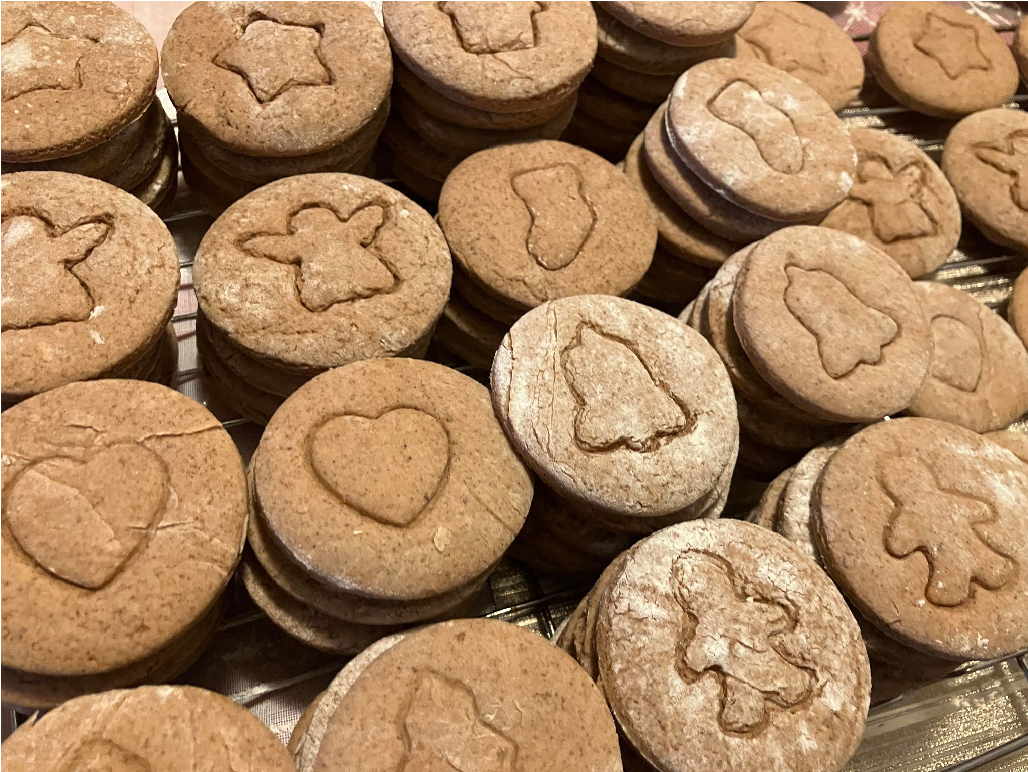
Make up a batch of gingerbread dough. Form it into balls and flatten them (or roll out and cut with a round cookie cutter) and, for extra time or fun, use a skewer to draw Byzantine (or local) coin face designs on them.
Activity 4
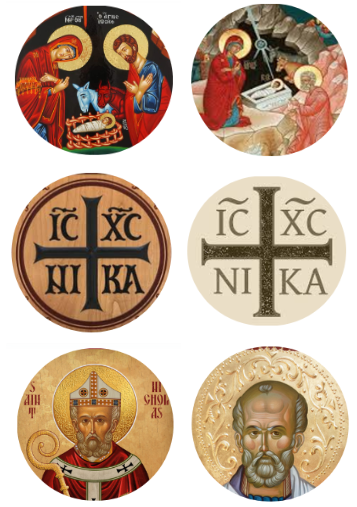
Print out, cut, and glue the round icons (found in the attachments) to the foil wrappers of chocolate coins.
Secret Giving
Introduction
Watch a six-minute video, "Saint Nicholas".
Activity 1
Learn to sing (at least a verse of) "Nicholas the Saintly".
Activity 2
Find something to donate in your area: toys to a local buy-nothing group for a child in need, food to the local food bank, et cetera. Get the child involved with thinking of what to donate and choosing it.
Lunch Snack
Ideally themed to the topic.
Activity 3
Make a cardboard (or craft foam or felt) slipper - the template is in the attachments. Decorate the sole and toe piece, and then staple (or sew with a darning needle and yarn, if using felt) the two together. Store your gingerbread coins and chocolate coins from yesterday in it, and give it as a gift to a friend.
Activity 4
Write a nice note to someone from an anonymous friend.
Theme: Saint Patrick, Enlightener of Ireland
Mini-study on Saint Patrick and the Holy Trinity.
Feast day: 17th of March
Overview
For the Bookshelf


For the Toy Shelves
Saint Patrick Printables and Colouring Sheets
Outings
The Life of Saint Patrick
Introduction
Watch a fourteen-minute video, "Storytime with Presbytera: Saint Patrick", or in Gaelic a four-minute video, "Pàdraig Naomh".
Activity 1
Learn to sing the chorus of "Pàdraig Abstol, Alleluia!"
Activity 2
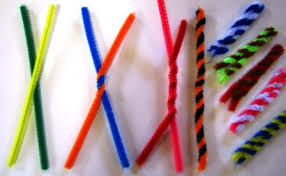
Saint Patrick drove the snakes out of Ireland. Make twisty pipe-cleaner snakes. Put them all in one basket or tub, then roll a dice and count out that many snakes into a second basket or tub. Repeat until all the snakes are gone.
Lunch Snack
Literally any green food arranged like a three-leaf seamrag.
Activity 3
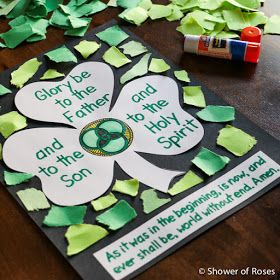
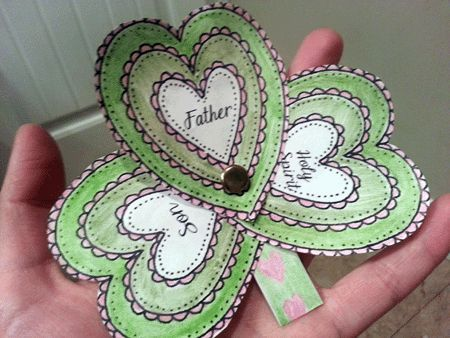
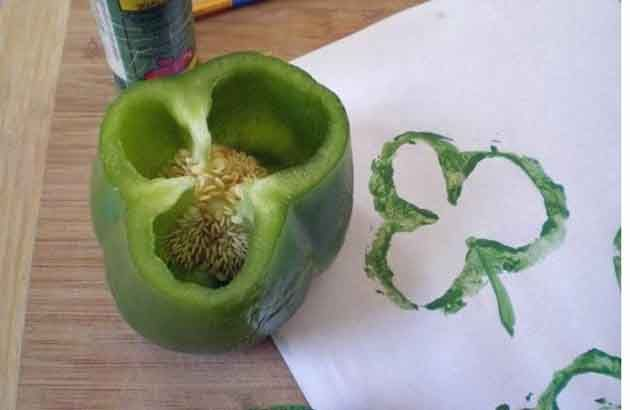
Make a Trinity shamrock craft, such as this one. You could display it on a background stamp-printed with three corks or a capsicum.

Activity 4
Watch a one-minute video: "Còig Criomagan Latha Fhèil Phàdraig".
The Holy Trinity
Introduction
Watch a four-minute video, "St. Patrick's Bad Analogies".
Activity 1
Make triangles, squares, and line segments from toothpicks and playdough. Use them to make 3D shapes. Which is the strongest? What does that tell us about the Holy Trinity?
Activity 2
Make nine large equilateral triangles (skewers, out of cardboard, etc) and colour each corner: red, blue, and yellow. Try to put all these triangles into one large triangle. Then, try to make sure that each corner where the triangles meet has one of each colour.
Lunch Snack
Make triangle food.
Activity 3
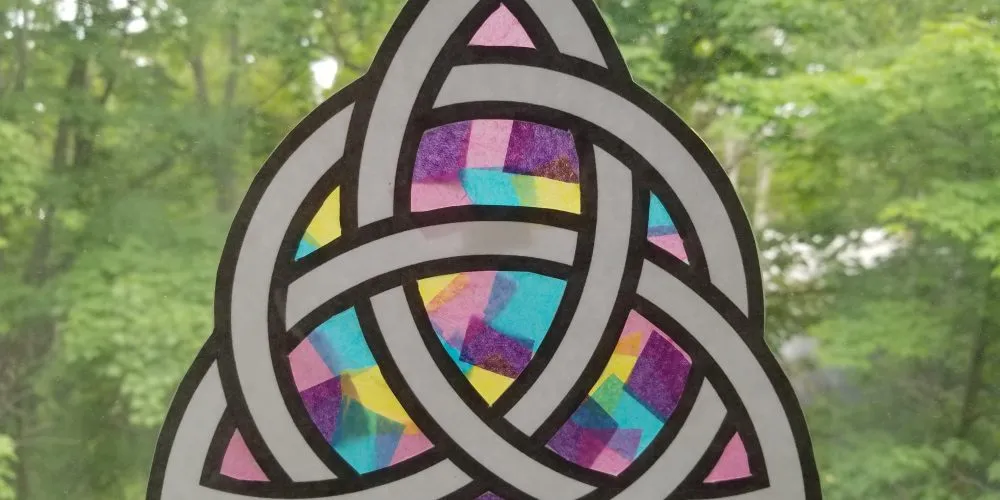
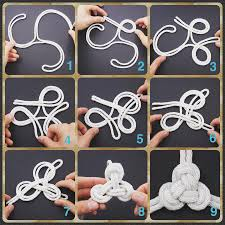
Make a trinity knot stained-glass suncatcher or a triskelion knot.
Activity 4
Learn the "Trinity Song" to the tune of Frère Jacques:
God the Father, God the Father,
God the Son, God the Son,
God the Holy Spirit, God the Holy Spirit,
Three in One, Three in One.
The Sign of the Cross
Introduction
Watch a six-minute video from Rocko's Music Factory: "The Sign of the Cross".
Activity 1
Read through Part 8 of St. Patrick's Breastplate:
Crìosda leam / Christ with me
Crìosda romham / Christ before me
Crìosda na mo dhèidh / Christ behind me
Crìosda annam / Christ within me
Crìosda fodham / Christ beneath me
Crìosda tharam / Christ above me
Crìosda air deas orm / Christ at my right
Crìosda air tuath orm / Christ at my left
Then, taking an icon of Christ, act it out: move the icon in front of, behind, to the left to the right, et cetera, as you read out the poem. For "Christ within me", do not swallow the icon; hold it between arms and chest, or bend over around it.
Activity 2
Practice making the sign of the cross. Make sure to imagine it as two lines across your body, rather than four points.
Discuss and practice the hand shape: three fingers for the Trinity and two pointing down for Christ's two natures. Really, making the sign of the cross is like a mini version of Patrick's Verse 8.
Lunch Snack
.
Activity 3
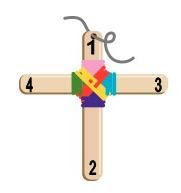
Make a Sign of the Cross pop-stick necklace, with numbers to remind you which order to make the points in. Wear it on your chest like a pectoral cross - or like St. Patrick's breast-plate.
Activity 4
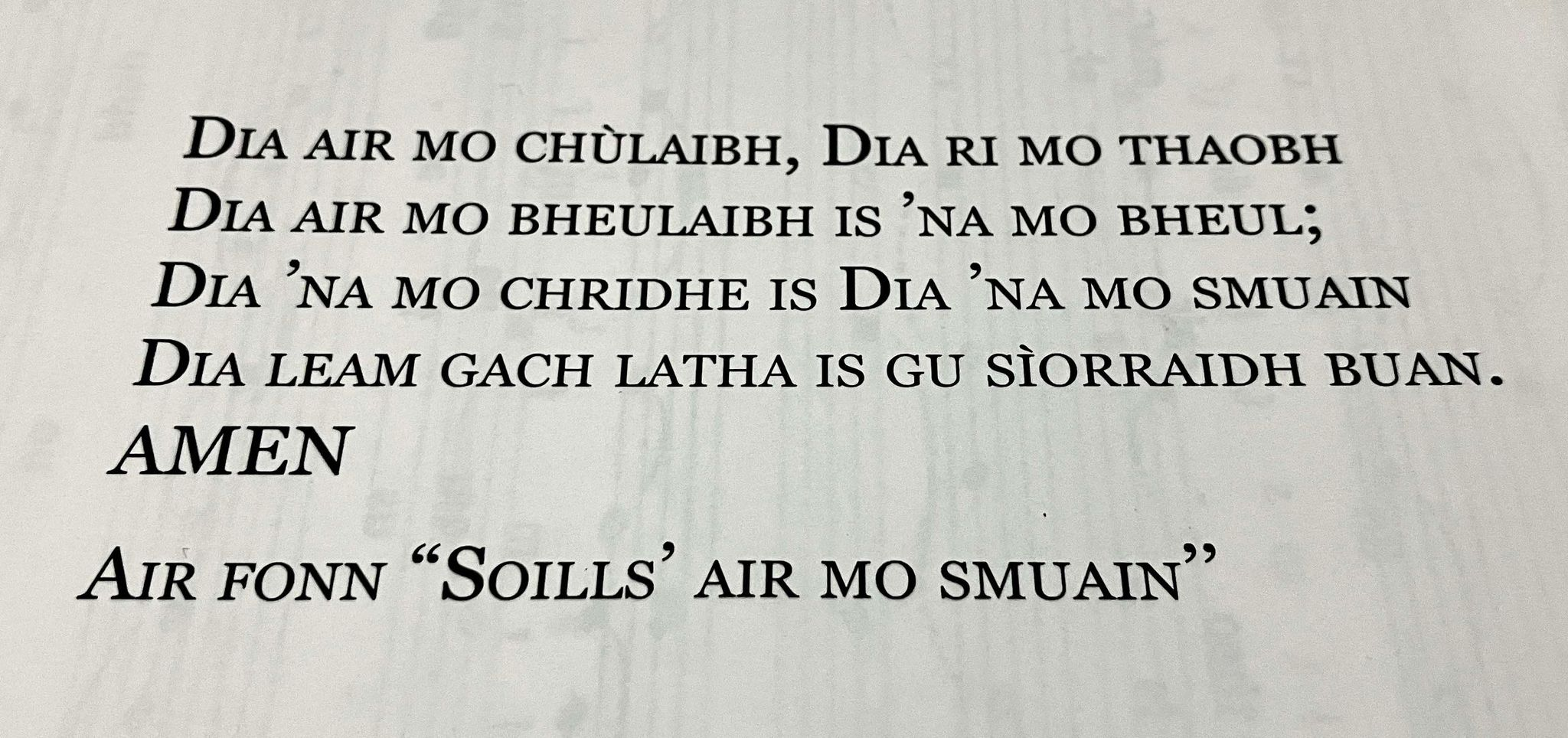
Learn to sing "Dia air mo chulaibh" to the tune of "Be thou my vision".
Theme: Saint Phanourios
Mini-study on Phanourios.
Feast day: 27th August
Overview
For the Bookshelf


For the Toy Shelves
Outings
Saint Phanourios
Introduction
Watch the 20-minute video "The Life of Saint Phanourios" with storytime and music.
Activity 1
Play "hide and seek". Hide small laminated icons of Saint Phanourios around the house and look for them.
Activity 2
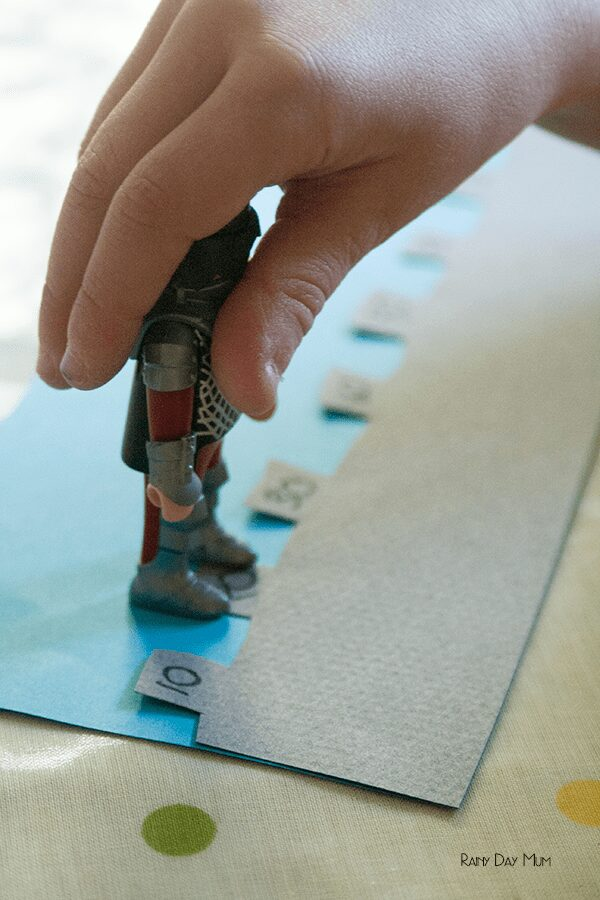
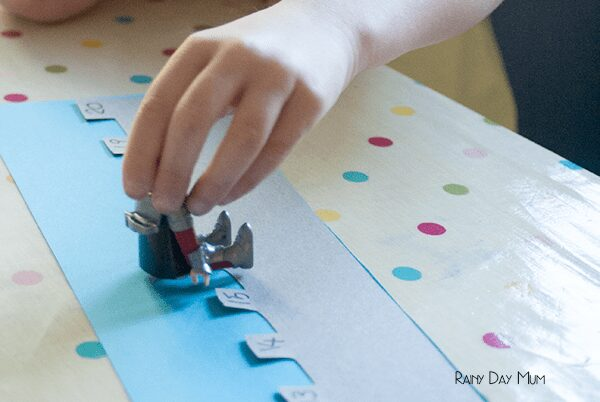
Using laminated castle wall battlements and whiteboard markers, have a soldier or citizen of Rhodes walking along them counting by ones, twos, and tens.
Curriculum areas: M01a, M01b, M01d, M01e, M03b
Lunch Snack
Use food, such as crackers with peanut butter or cream cheese, or thick rounds of carrot or cucumber, to build city walls.
Curriculum areas: S13a, S13c
Activity 3
Make phanouropita:
Ingredients:
- 3 cups SR flour
- 1 cup sugar
- 3/4 cup olive oil
- 1 tsp vanilla
- 1 tsp cinnamon
- 1 tsp orange zest (approximately half an orange)
- 3/4 cup orange juice
- 1/4 cup brandy
- 1/2 cup chopped walnuts
Method:
1. Preheat the oven to 180C/350F
2. Combine all the dry ingredients and mix
3. Add the wet ingredients and mix to form batter.
4. While stirring, give thanks for the lost things that have been found.
5. Grease a tin with olive oil and pour the batter in.
6. Bake for 40-45 minutes or until a toothpick comes out clean.
7. Top with powdered sugar.
Activity 4
Play the online choose-your-own-advencture Siege Quest game.
Theme: The Twelve Days of Christmas
Unit study for the period from the 26th of December to Theophany.
Synaxis of the Theotokos (26th December)
Introduction
A brief video, rhyme, or hook to set the topic for the day.
Activity 1
A gross-motor or sensory activity to get the wiggles out.
Activity 2
A more sedate activity, usually involving letters, numbers, or fine-motor.
Lunch Snack
Ideally themed to the topic.
Activity 3
Crafting activity.
Activity 4
Any other fun optional bonus.
Saint Stephen the Protomartyr (27th December)
Introduction
A brief video, rhyme, or hook to set the topic for the day.
Activity 1
A gross-motor or sensory activity to get the wiggles out.
Activity 2
A more sedate activity, usually involving letters, numbers, or fine-motor.
Lunch Snack
Ideally themed to the topic.
Activity 3
Crafting activity.
Activity 4
Any other fun optional bonus.
The Holy Innocents (28th December)
Introduction
A brief video, rhyme, or hook to set the topic for the day.
Activity 1
A gross-motor or sensory activity to get the wiggles out.
Activity 2
A more sedate activity, usually involving letters, numbers, or fine-motor.
Lunch Snack
Ideally themed to the topic.
Activity 3
Crafting activity.
Activity 4
Any other fun optional bonus.
Leavetaking of Nativity
Introduction
A brief video, rhyme, or hook to set the topic for the day.
Activity 1
A gross-motor or sensory activity to get the wiggles out.
Activity 2
A more sedate activity, usually involving letters, numbers, or fine-motor.
Lunch Snack
Ideally themed to the topic.
Activity 3
Crafting activity.
Activity 4
Any other fun optional bonus.
Saint Basil the Great (1st January)
Introduction
A brief video, rhyme, or hook to set the topic for the day.
Activity 1
A gross-motor or sensory activity to get the wiggles out.
Activity 2
A more sedate activity, usually involving letters, numbers, or fine-motor.
Lunch Snack
Ideally themed to the topic.
Activity 3
Crafting activity.
Activity 4
Any other fun optional bonus.
Saint Seraphim of Sarov (2nd January)
Introduction
A brief video, rhyme, or hook to set the topic for the day.
Activity 1
A gross-motor or sensory activity to get the wiggles out.
Activity 2
A more sedate activity, usually involving letters, numbers, or fine-motor.
Lunch Snack
Ideally themed to the topic.
Activity 3
Crafting activity.
Activity 4
Any other fun optional bonus.
Forefeast of Theophany
Introduction
A brief video, rhyme, or hook to set the topic for the day.
Activity 1
A gross-motor or sensory activity to get the wiggles out.
Activity 2
A more sedate activity, usually involving letters, numbers, or fine-motor.
Lunch Snack
Ideally themed to the topic.
Activity 3
Crafting activity.
Activity 4
Any other fun optional bonus.